After they were taken
Extrajudicial killings and enforced disappearances in Bangladesh are entrenched institutional issues that have grown increasingly normalised. A photojournalist captures the aftermath within victims’ homes, secret detention facilities and beyond.
Every month, Mashruk Ahmed will curate an instalment of a photo-story series that questions established power discourse, featuring photographers who explore gaps, absences, and silences in Bangladesh’s socio-political records.
In this eighth edition, we feature photojournalist Jibon Ahmed’s ongoing project, which attempts to embody the trauma, uncertainty and the “incomplete mourning” of families of victims of enforced disappearance or extrajudicial killings. Working undercover for Netra News, Jibon had the opportunity to speak with several victims and victims’ families, exposing him to a complex reality of “suspended grief,” for many. Listening to their stories, Jibon understood that enforced disappearance and extrajudicial killing does not simply take away one person, it obliterates an entire family’s reality. You can find the seventh edition, “Red Soil,” here.
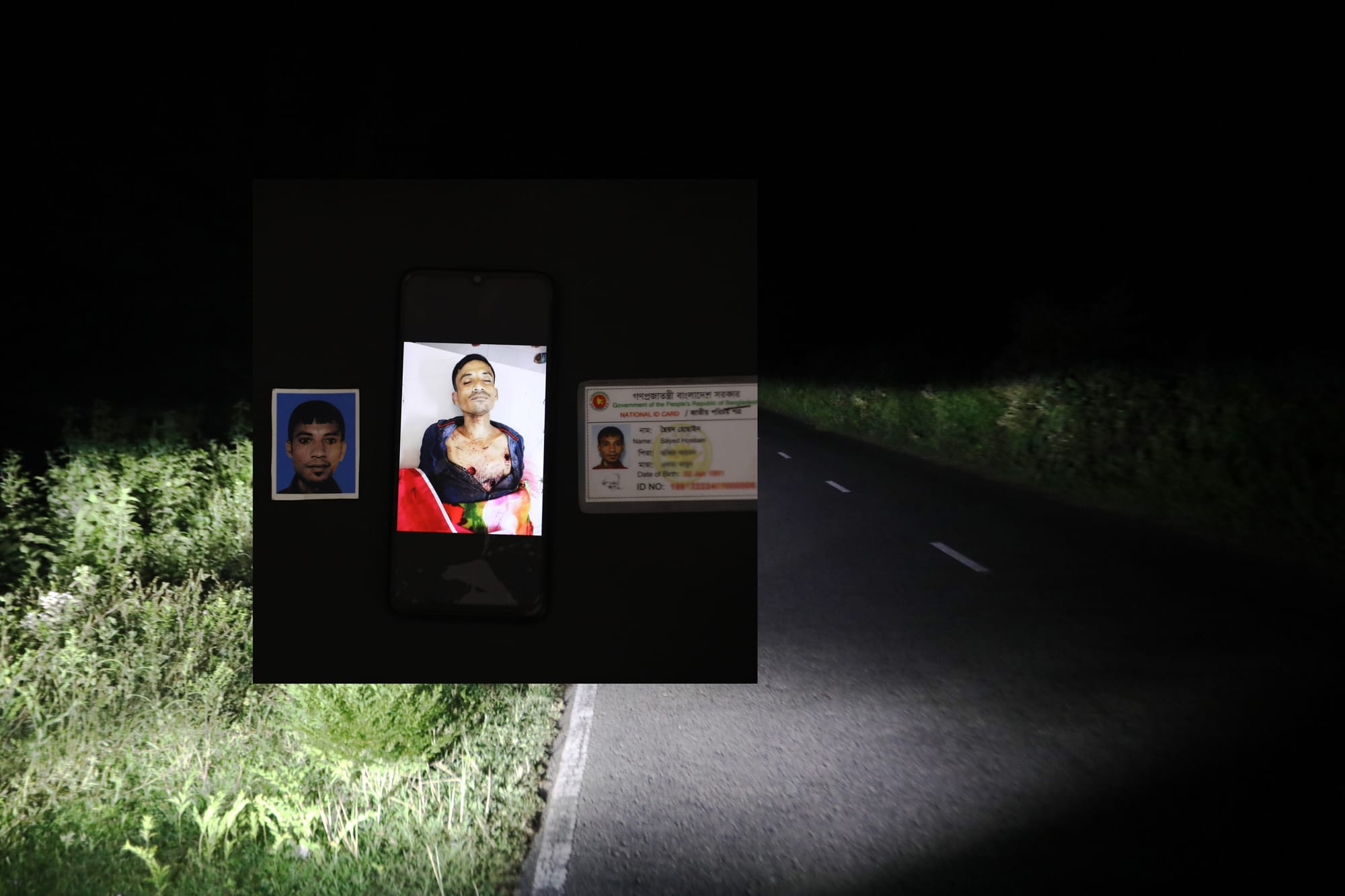
It began sometime in late 2014, my career in the media. Soon, I would find myself at the morgue at Dhaka Medical College Hospital. My work assignments required frequent visits. Standing in the cold and (sometimes) quiet room, I was confronted by a horrible truth — the deranged state of each of the lifeless bodies, a victim of “crossfire.”
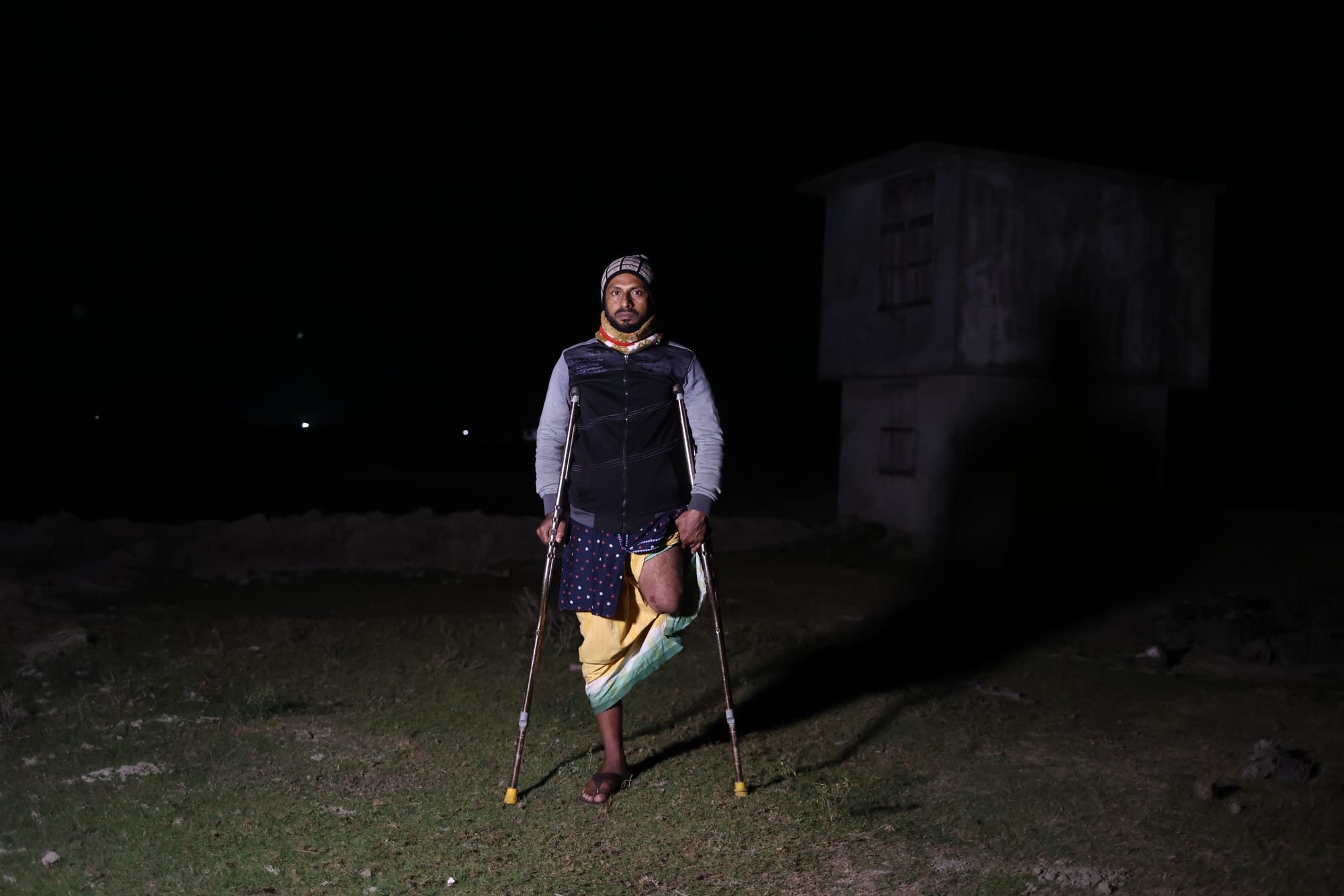
News about “encounters” and “operations” carried out by law enforcement in the name of counterterrorism began to surface, and with it, a knot of scepticism took hold. I questioned the reality of these incidents: were these deaths inevitable, or was there another story?
In 2015, Bangladesh saw another kind of violence soar — the targeted killings of secular bloggers, writers, and public figures, mostly by machetes. One of the victims was Avijit Roy in Dhaka on February 26th 2015. This incident affected me the most deeply, not only because I was a witness to his murder, but for the first time I saw how there was evidence of the killing that could stand in court. Consequently, my interest in victims of extrajudicial killings deepened. And that knot of scepticism evolved into new questions: how do we begin to think of these victims as news stories or numbers, how does the state silence normalise these deaths?
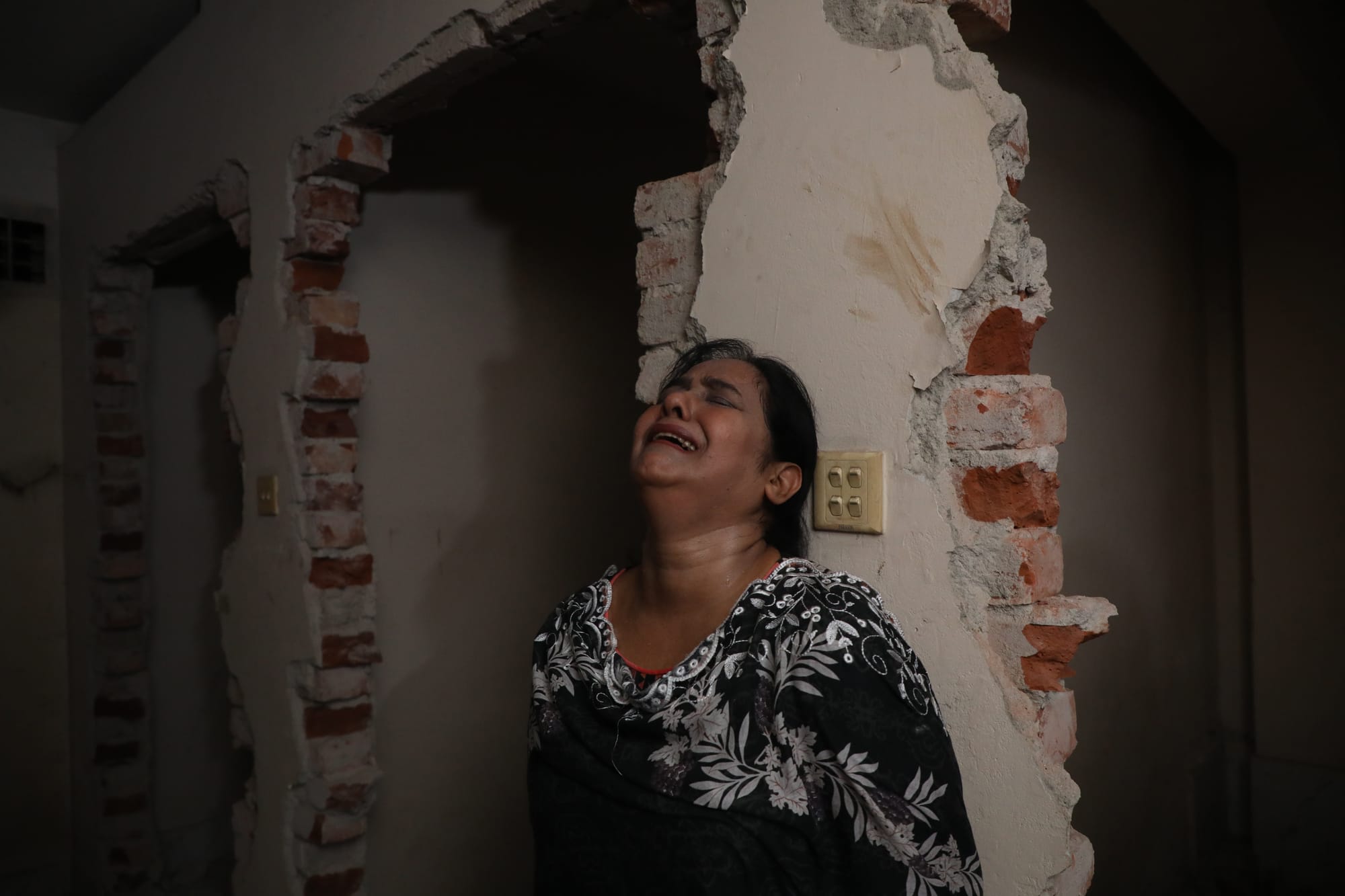
Nasima Akhter breaks down inside a cramped, windowless cell at the RAB-1 compound on June 25th 2025 — a space allegedly used to hold her husband, Sajedul Islam Sumon, after his enforced disappearance in 2013 (Left). Portrait of Michael Chakma, who vanished from Kanchpur, Narayanganj, on April 9th 2019, and spent over five years in the secretive Aynaghar detention facility. Released on August 7th 2024, his ordeal exposed a system that enabled enforced disappearances under the Sheikh Hasina government. Photo taken on June 25th 2025 (Right).
Then there is the ruthless phenomenon of enforced disappearance, a state-sanctioned tactic to instil fear and eliminate dissenters. In Bangladesh, families of those who have been forcibly disappeared and never returned continue to live in a suspended state of uncertainty. They do not know whether their loved ones are still alive or dead. And if killed, they do not know any of the details, did their loved ones suffer? When did they perish?
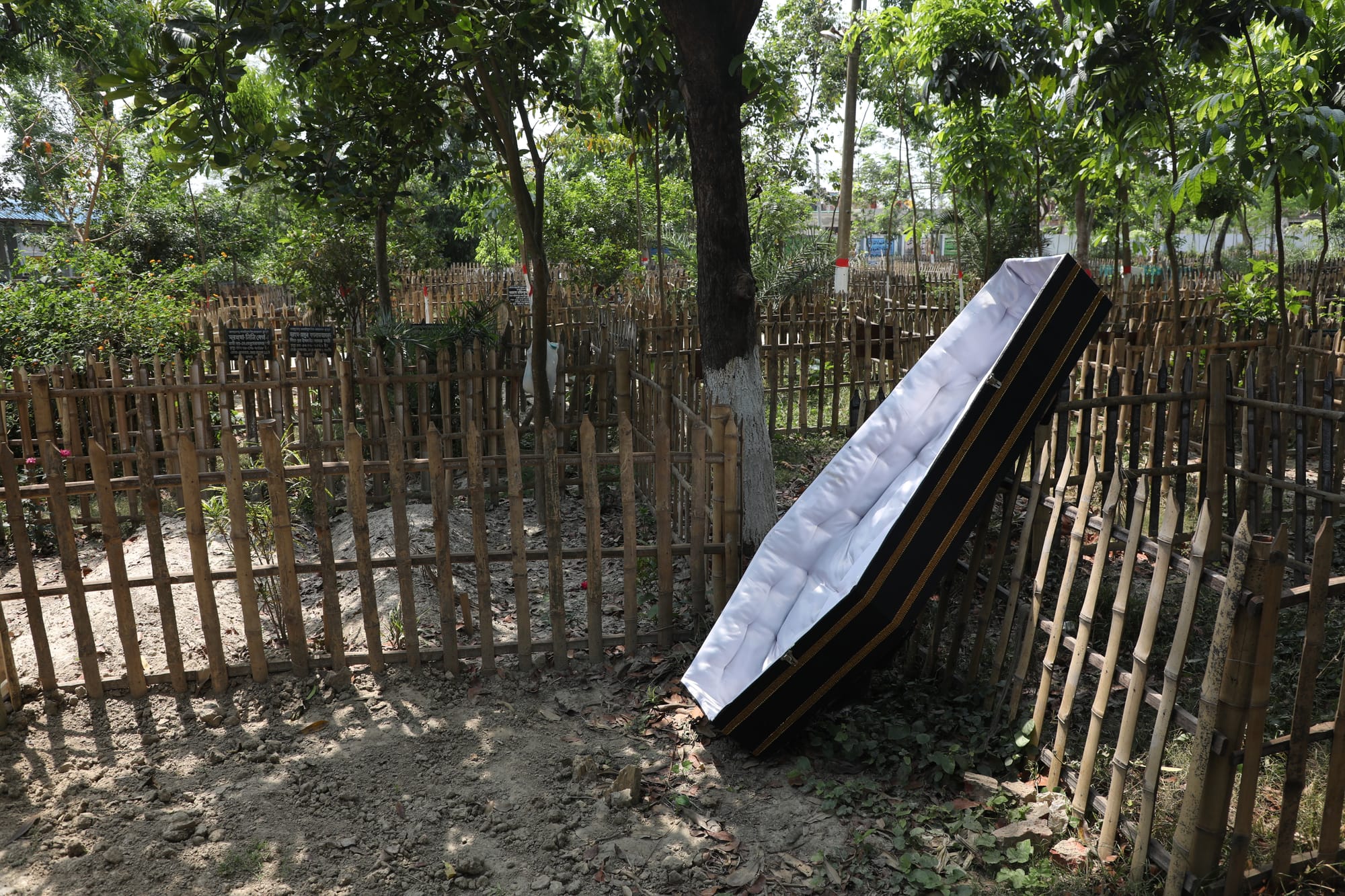
During the rule of the now-ousted Sheikh Hasina government, many dissenters were also subjected to extrajudicial killings under the guise of “maintaining law and order.” And in many cases, the right to burial, according to religious customs, was denied. Without a body, there could be no grave, no final farewell, no last prayer. As a result, these families could not grieve, at least not fully.
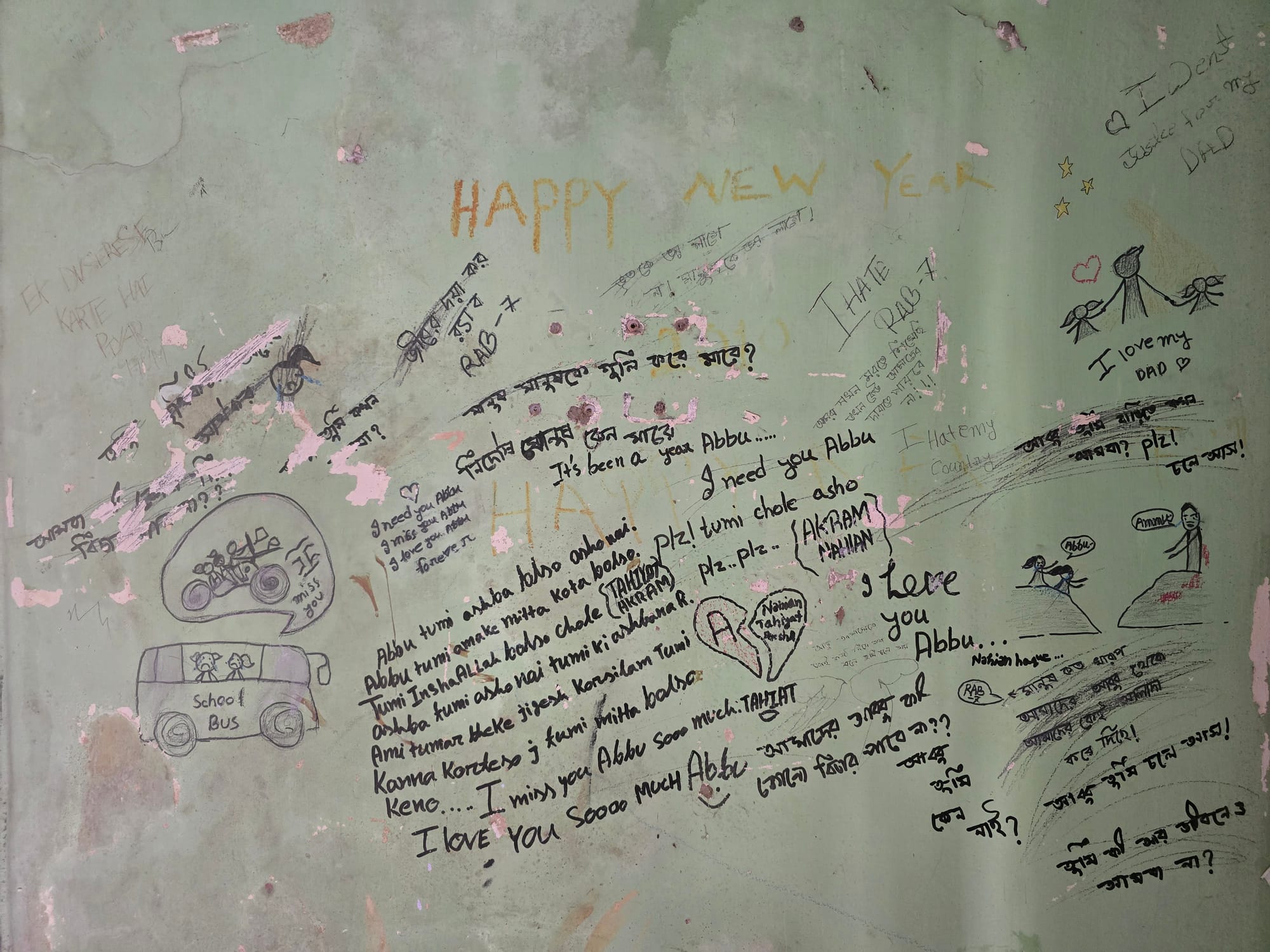
In my project titled “Shadows without Graves,” I attempted to embody this uncertainty, trauma, and incomplete mourning. While working undercover for Netra News, I had the opportunity to speak with family members of several victims and victims’ family members. Listening to their stories, I understood that enforced disappearance or extrajudicial killing does not simply take away one person; it obliterates an entire family’s reality.
I also understood that photographing events as it happens was not the only way to capture the truth. So I chose the language of absence — through empty rooms, suspended daily routines, signs of waiting — instead of scenes of violence.
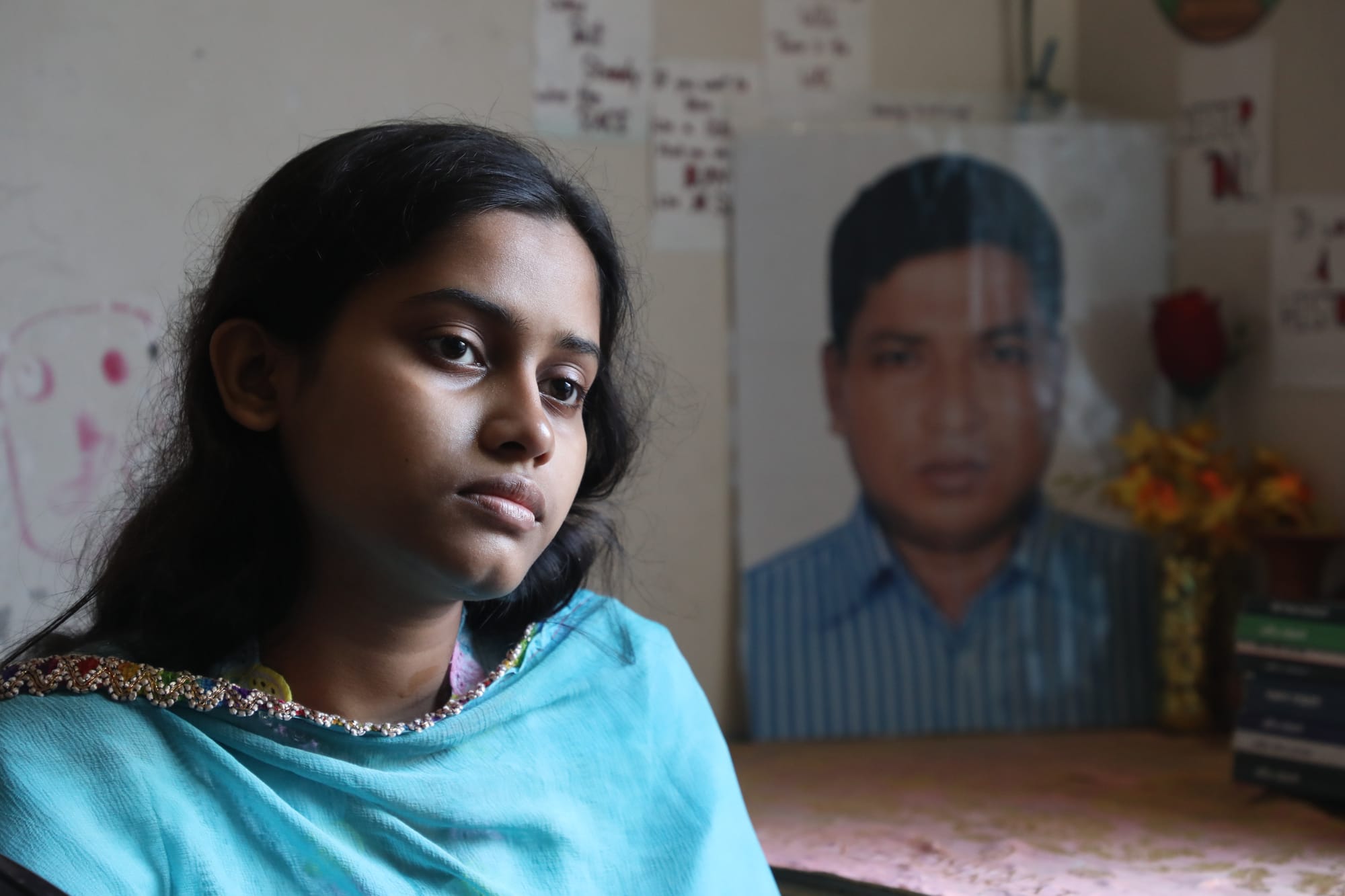
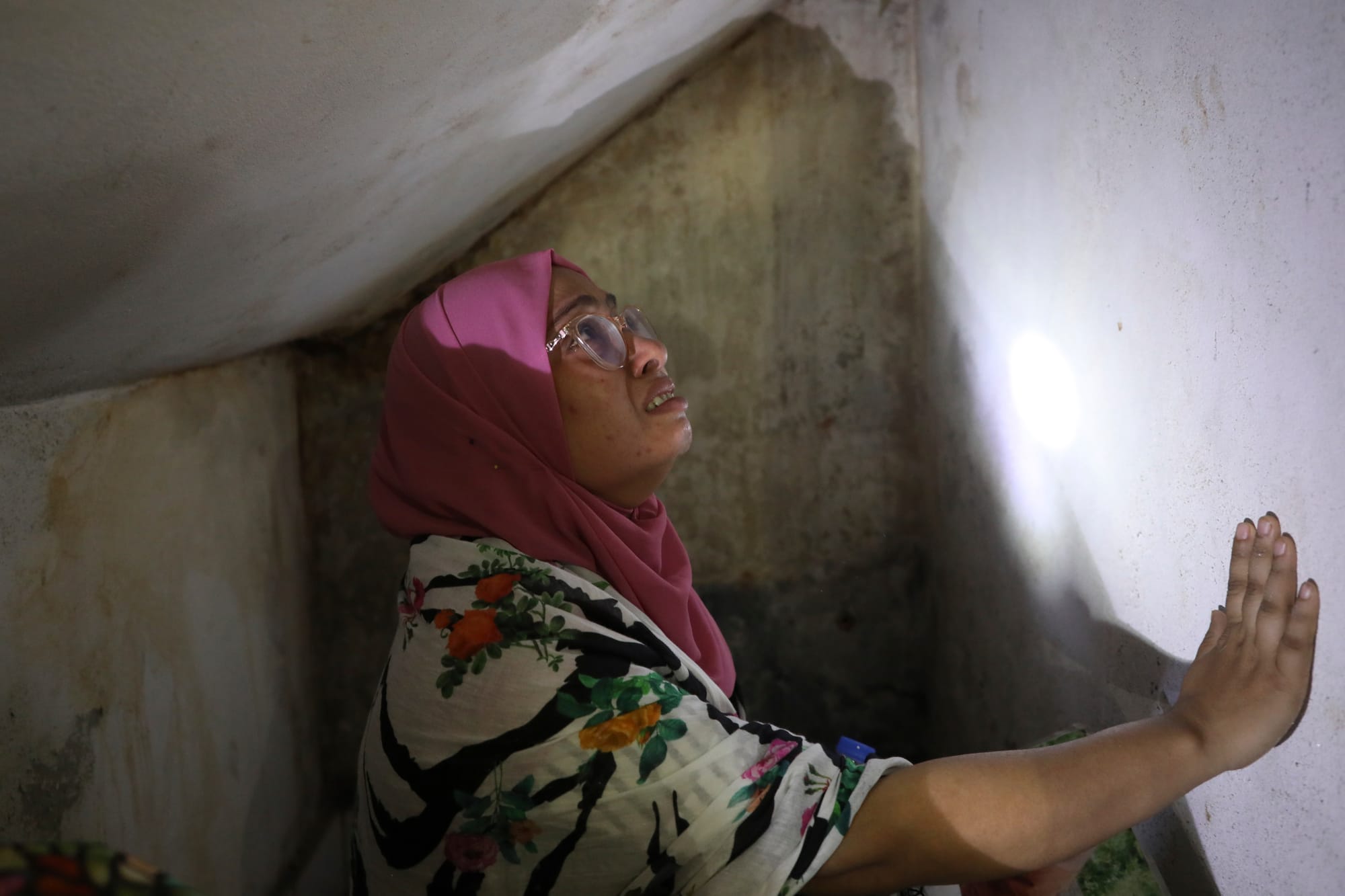
I also became aware of a responsibility. I know as a journalist that media freedom in the country is limited, and not everyone has the opportunity to work on sensitive issues like enforced disappearances. It was precisely from this position that I chose photography to document this suspended grief. My hope was that, at the very least, these images would provide families with a space to tell their stories, to come somewhat closer to the truth. At the same time, they could create opportunities to raise questions and demand accountability at the state level — and this intention is what repeatedly pushed me forward.
Within Bangladesh’s long-standing culture of impunity, families of the disappeared are gradually forced to adapt to a brutal reality. Their response to their loved one being forcibly taken away is, at first, intense. They rush from courts to police stations, human rights organisations, and government offices. But over time, sometimes years, the state’s silence clamps down on their activism into exhaustion. Eventually, many families speak less, stop filing complaints, and learn to carry their grief quietly. From the outside, this adaptation might appear as “resilience,” but in reality, it is anything but voluntary acceptance.
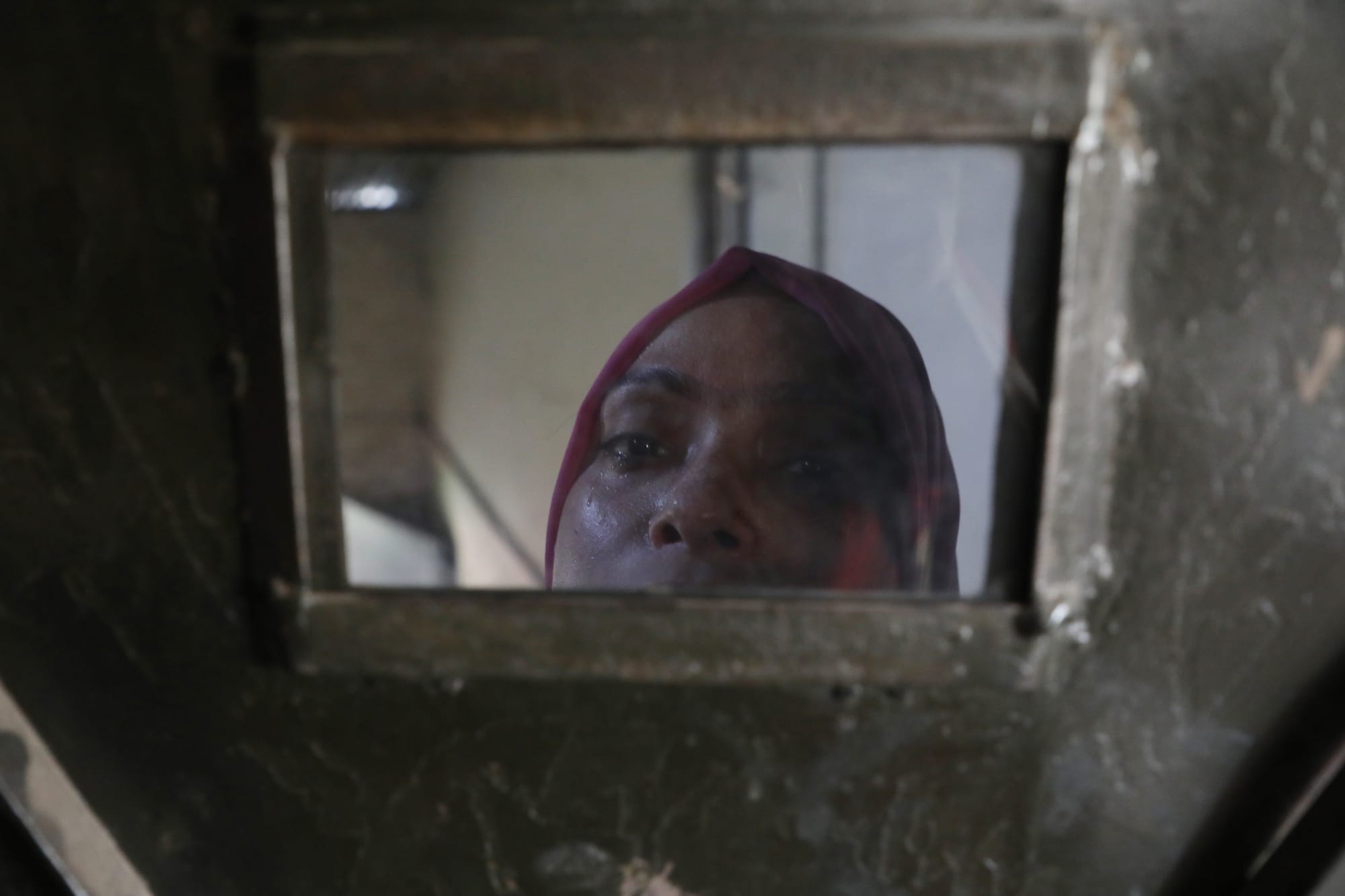
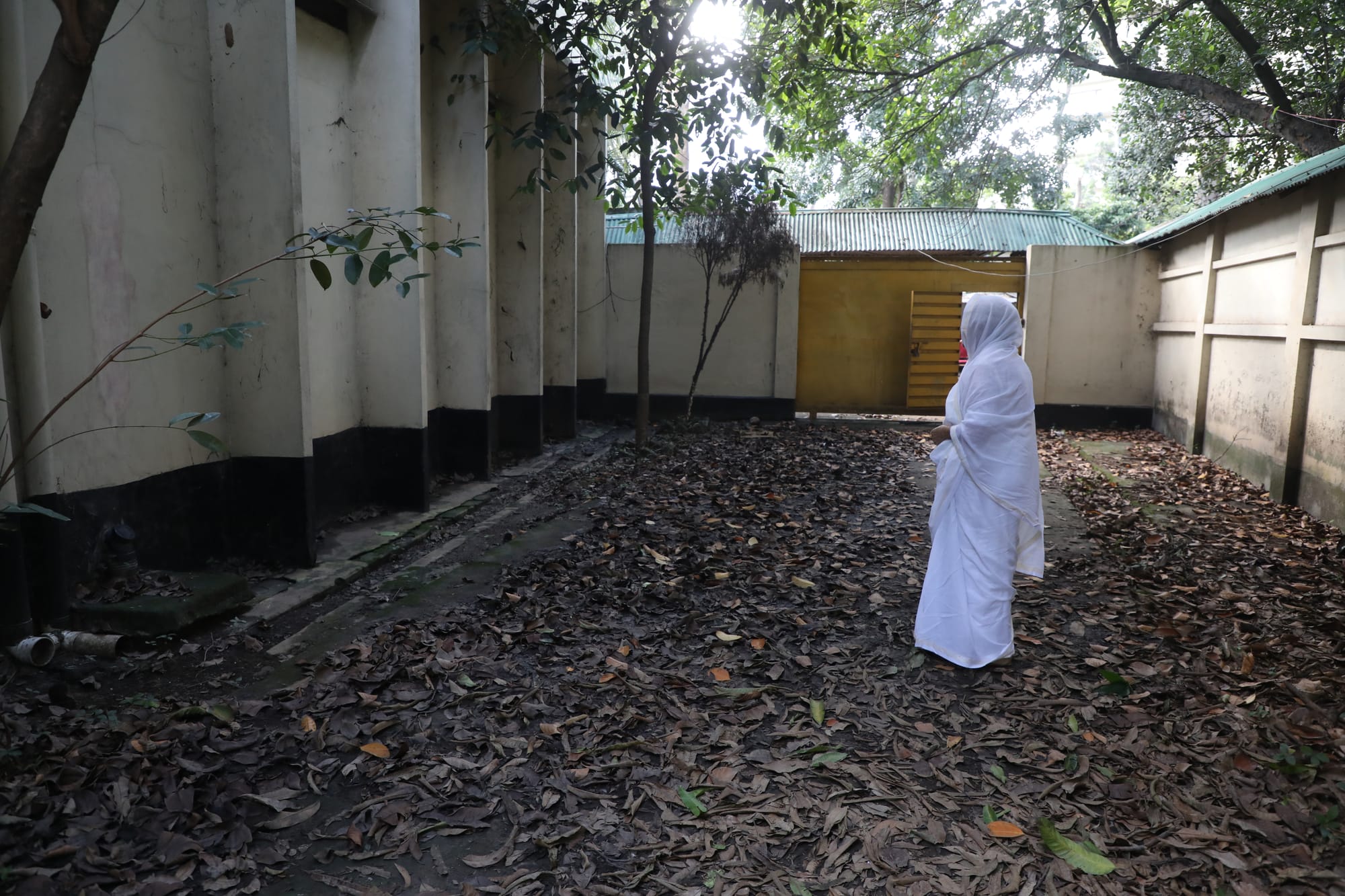
In Bangladesh, the term “crossfire” has long functioned as a form of state language used to normalise and, to an extent, even legitimise extrajudicial killings. My photography seeks to reveal the reality created, as a result, of this language. When the state’s narratives obscure the truth, photography can offer witness accounts and documentation; a counter-testimony, if you may, to state-controlled narratives. My work is therefore a quiet yet enduring protest against state language, especially when law and mainstream media remain under state control.
During my work on this project, I repeatedly observed fundamental inconsistencies between official law enforcement accounts and the testimonies of victims’ families or eyewitnesses; discrepancies in time, place, and even the presence of the accused.
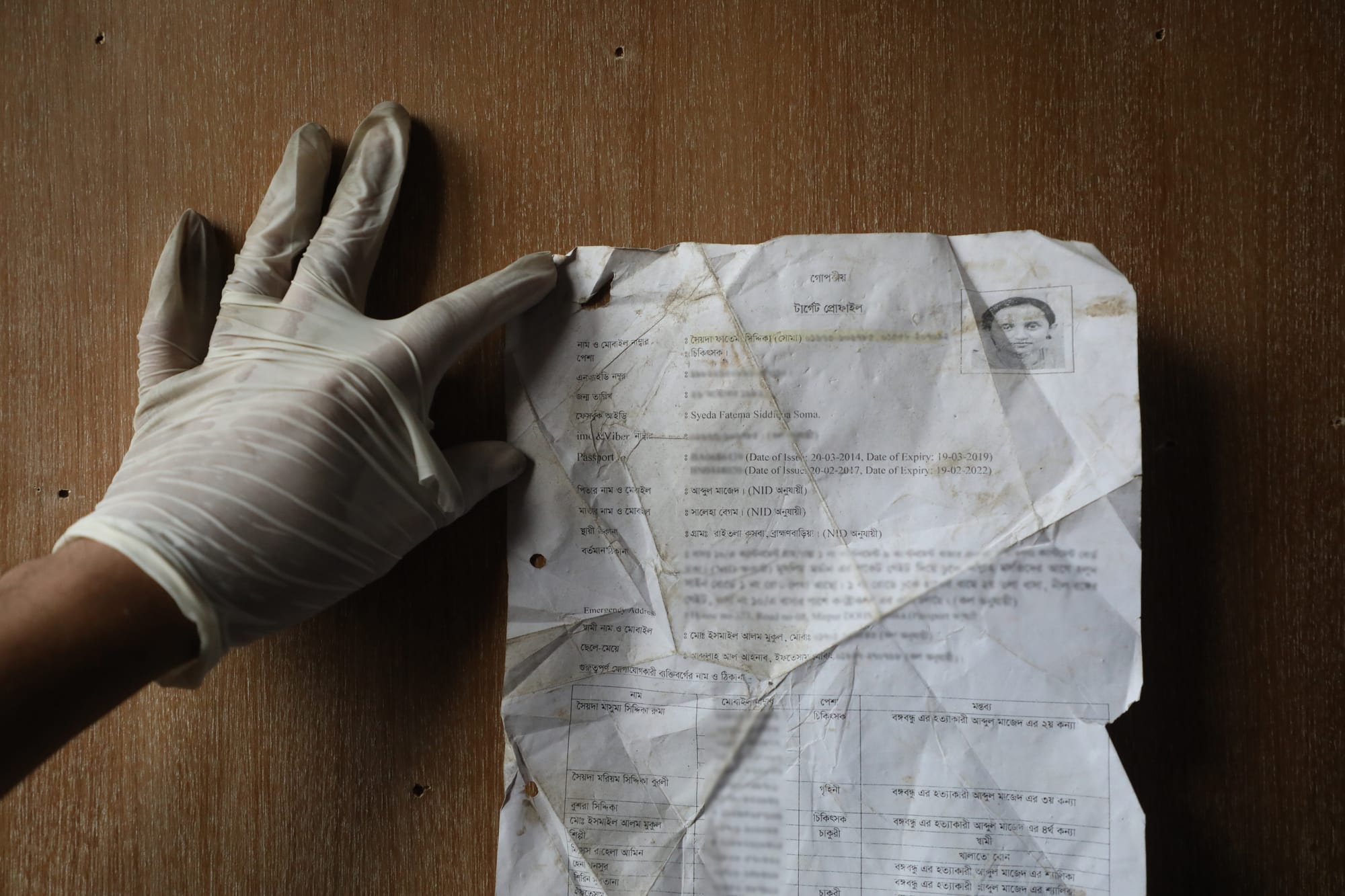
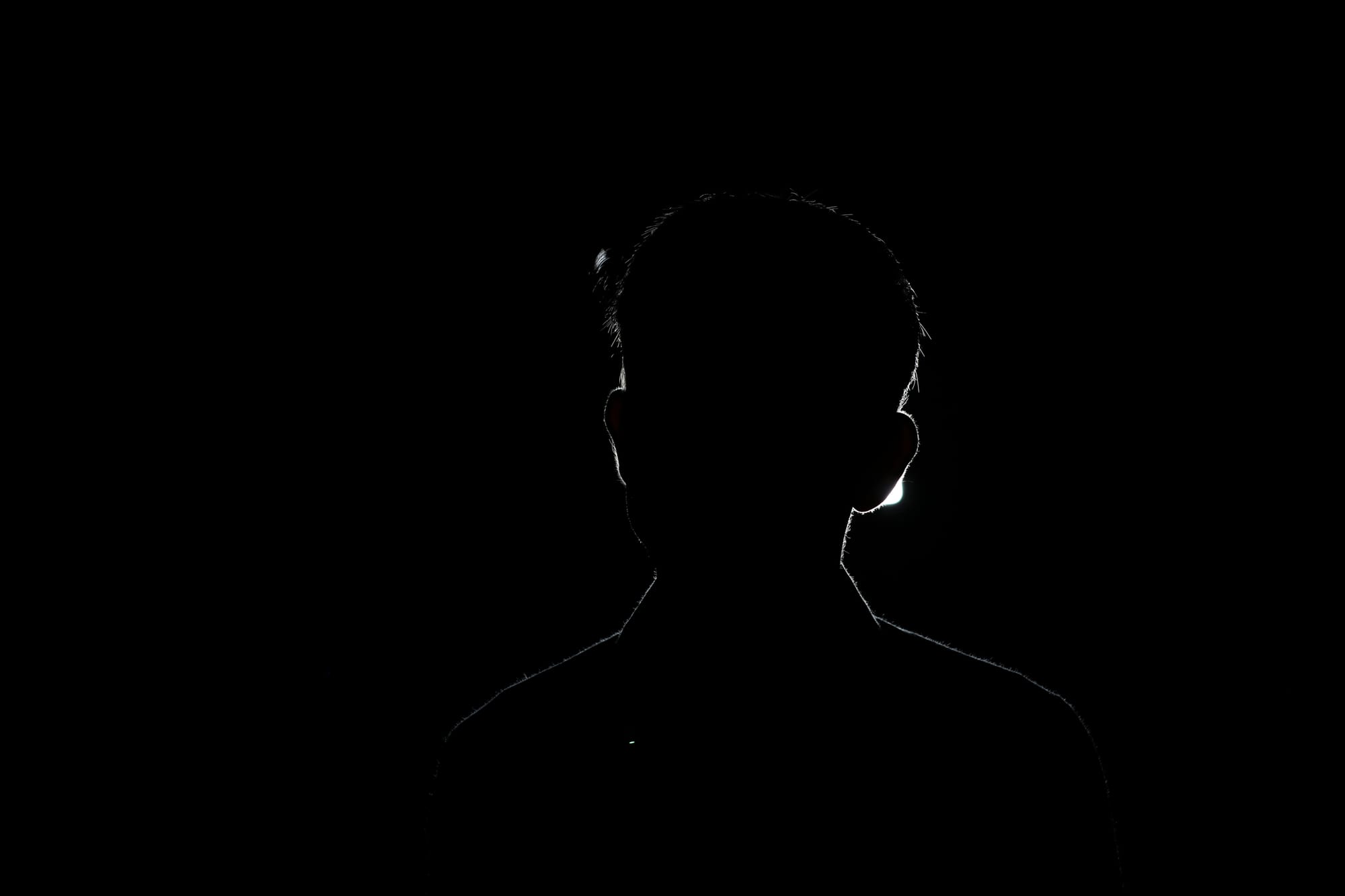
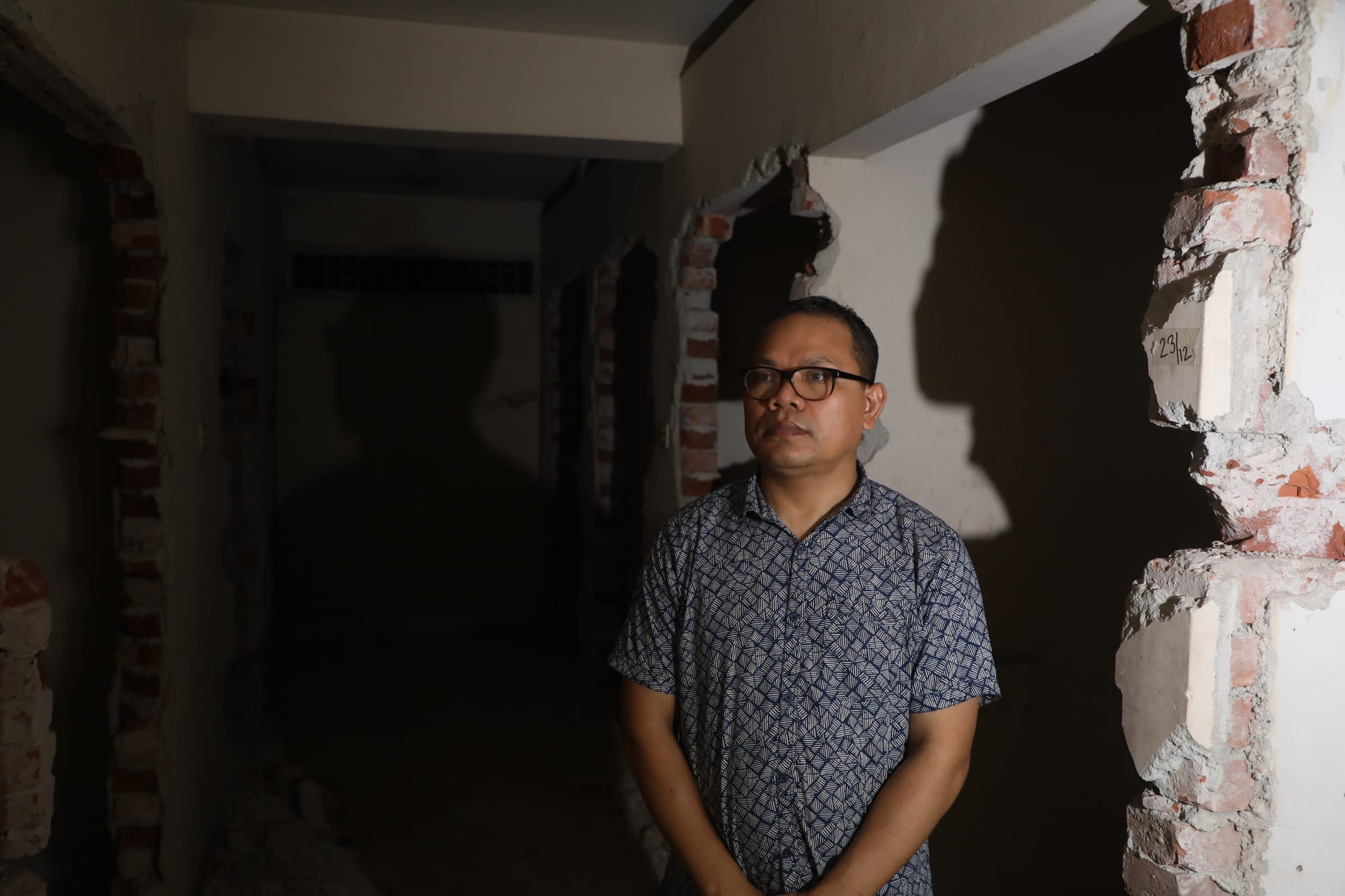
While working on Netra News’ story named Aynaghor, the codename of a secret detention facility, I confronted a fundamental limitation from the very beginning: the state itself denies the existence of these places, making any direct visual documentation impossible. So I moved away from conventional ideas of visibility.
The visual language of this project has been deeply influenced by the testimonies of survivors. When they speak of disorientation, relentless psychological torture, and a fractured sense of time, it becomes clear that detention is not only physical but a violent seizure of memory and identity. These complex experiences made my work more restrained and sensitive, prioritising fragmentation and uncertainty over clarity.
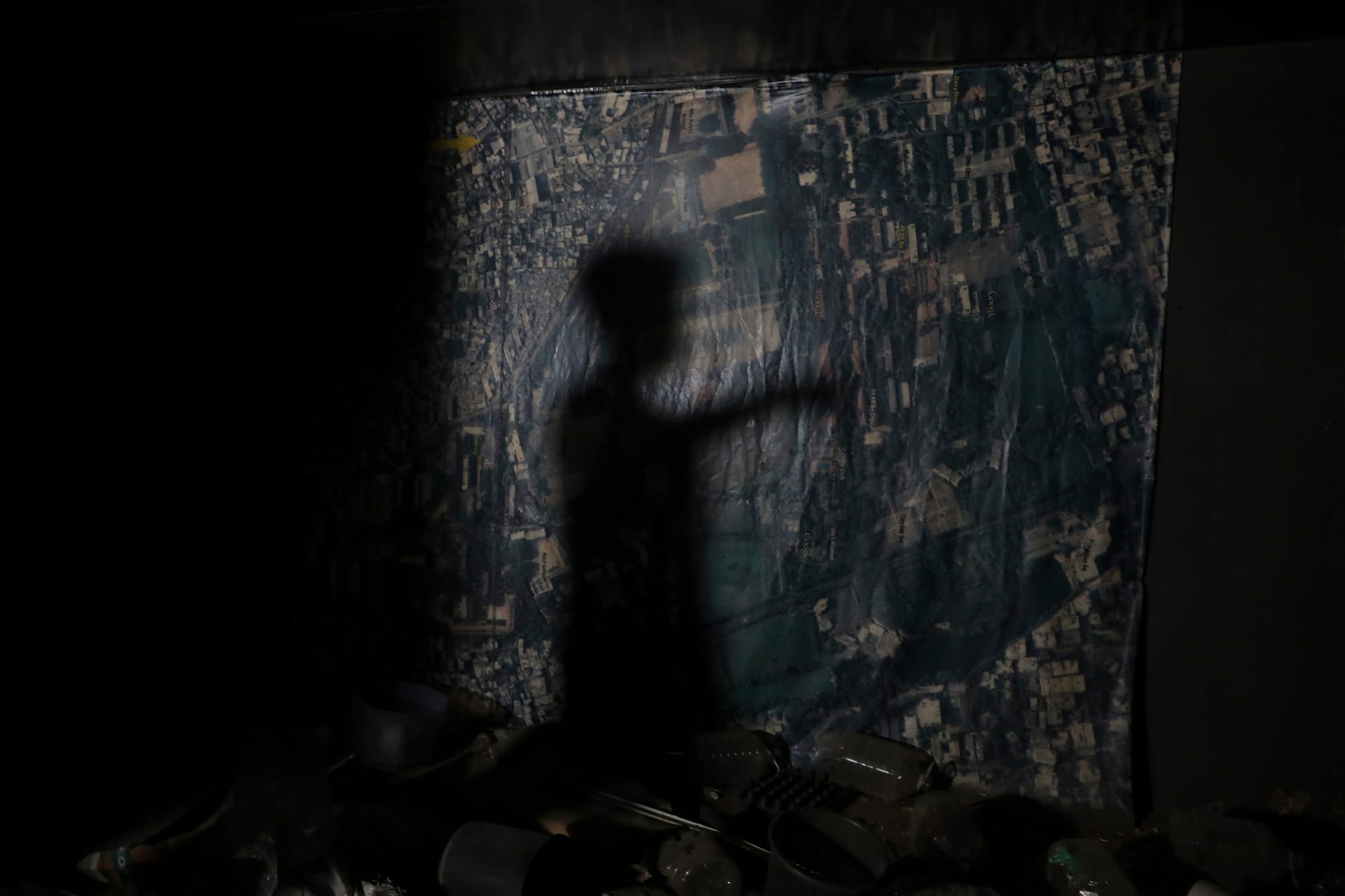
These testimonies also taught me that time does not always move in linear manner, and memory is not always reliable. At the same time, ethical responsibility was paramount in documenting these experiences. In every case, I obtained informed consent, protected identities, and carefully considered potential risks before publishing any image or information.
For me, this work is not only about revealing the truth rather a valued responsibility to ensure that survivors are not exposed to further state violence. That consideration was always the most important one.●