Call Me Heena
Beyond the stereotypes dominating mainstream narratives, the marginalised Hijra community lives with their chosen families. This visual project reminds us of their lives beyond those stereotypes.
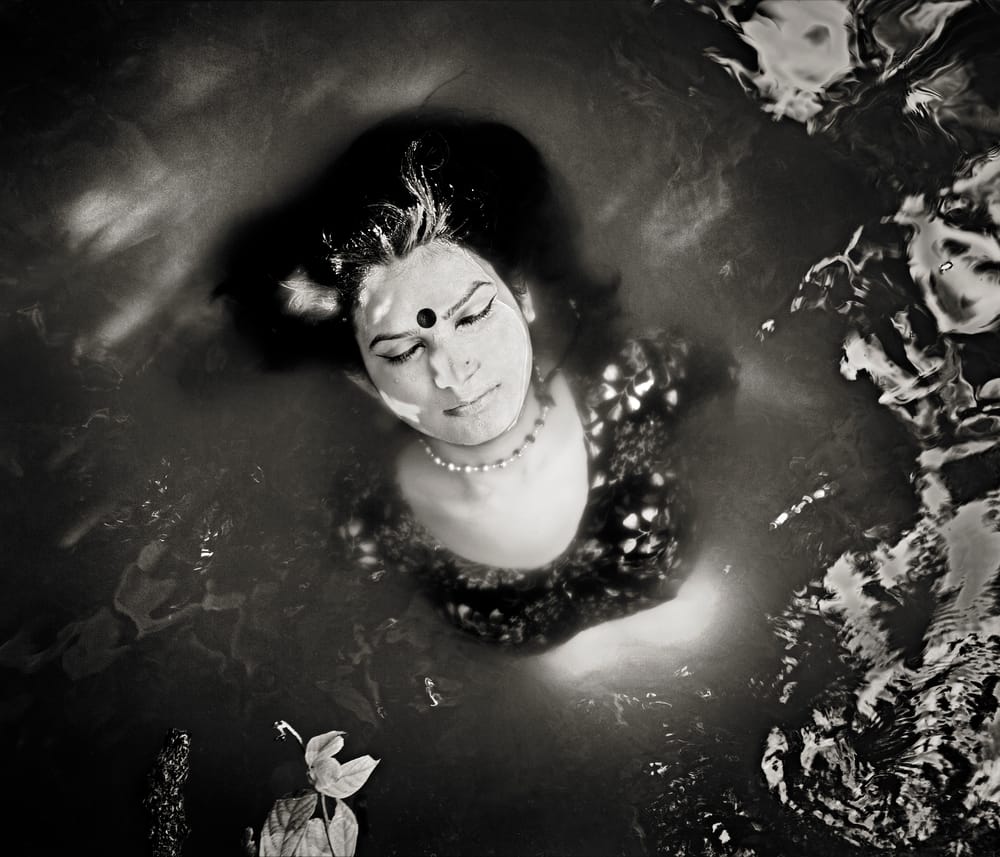
Every month, Mashruk Ahmed will curate an instalment of a photo-story series that questions established power discourse, featuring photographers who explore gaps, absences, and silences in Bangladesh’s socio-political records.
In this ninth edition, we feature visual artist and documentary photographer Shahria Sharmin’s Call Me Heena project, where she takes the audience inside the world of Bangladesh’s Hijra community. For 12 years, Sharmin worked closely with members of this marginalised community to photograph their everyday and quiet moments away from public spaces. In doing so, she walked beyond the walls of prejudice and stereotypes to find a world of resilience, unique support systems, complex individuals and relationships; a world born out of societal rejection and exclusion. You can find the eighth edition, “After they were taken,” here.
I remember, as a child, watching members of the Hijra community from a distance. They were visible on the streets at traffic signals and in some neighbourhoods, occasionally at weddings or other ceremonies too. I noticed the way people reacted — sometimes with amusement, sometimes with discomfort. Those moments stayed with me.
Families and schools in Bangladesh avoided the “Hijra” topic altogether, or they reduced it to stereotypes. In the media, they were usually portrayed as spectacles rather than as complex individuals with relationships. I found it curious how a community could be visible in public space and at the same time be absent from public narratives, such as in education or historical records. To me, there was hardly any real conversation about who they were or what their lives were like until I began spending time with them many years later.
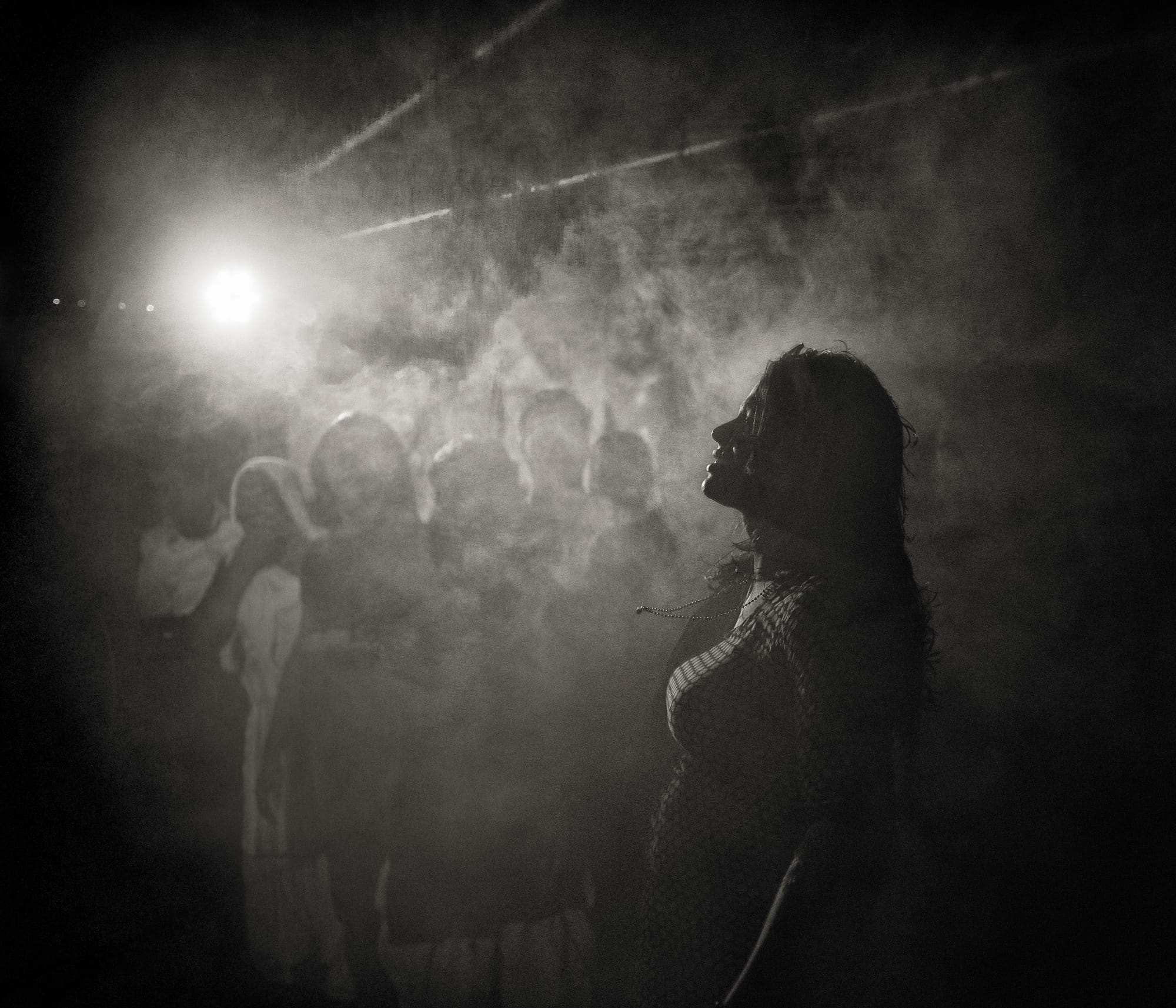
While working on this project, I became aware that the silence surrounding Hijra was not accidental. It is a result of long-lived prejudice, which continues to be thoroughly sustained because many people grow up knowing the Hijra community exclusively through a narrow lens and misunderstanding. And many more people never learn the history of Hijra in this region.
Even though South Asia historically had a more fluid understanding of gender, colonial-era laws and moral ideas failed to accommodate gender identities outside male-female identity. While historical records suggest that Hijras once held recognised roles in societies, particularly in royal courts and cultural rituals, colonial laws and administrative policies began to classify Hijras as “deviant” or socially suspicious.
Those perceptions did not disappear after the Partition (1947), but rather became normalised within social and cultural structures. Because of this legacy, many Hijra individuals still face exclusion and stigma in Bangladesh.
This project tries to gently break that silence and uphold the depth of their personal lives and the dimensions of their lived realities. By presenting quieter and more intimate moments of their lives, photography can create space for viewers to encounter Hijra beyond the stereotypes dominating public imagination. Through careful representation, visual narratives can remind us that these individuals carry histories and identities.
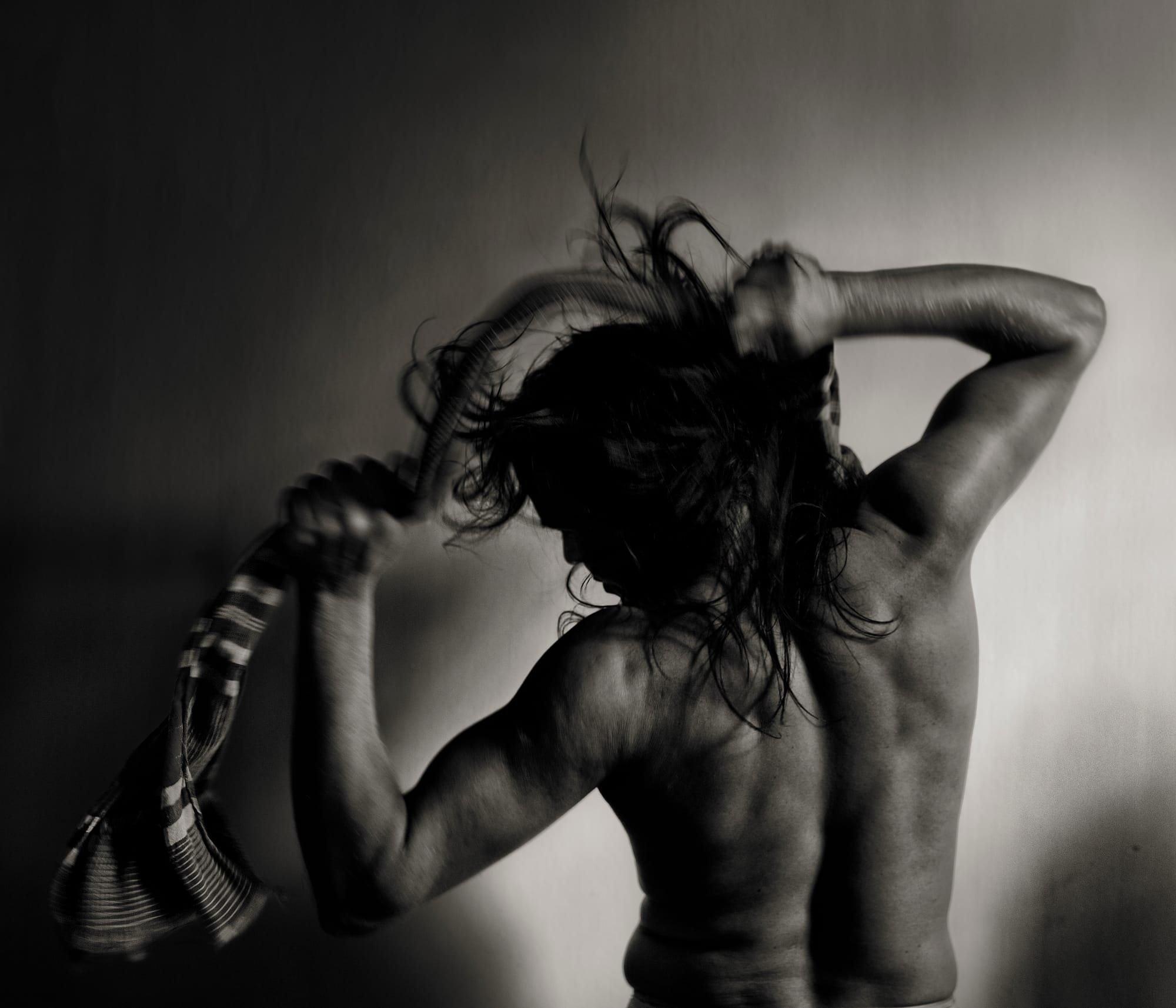
The project: Call me Heena
When I first met Heena, I approached her with curiosity and, of course, many questions. But as time passed, our relationship moved beyond the photographer–subject dynamic. She opened the door, introduced me to others in the community, and allowed me to spend time with them, even without the camera. Over the years, she became a friend, and her trust in me shaped the entire project.
There were quiet moments sitting together, sharing meals, talking about everyday things, where I began to see beyond the labels society had placed on them. Those moments shifted my understanding from observation to empathy. The project grew over the many years of visits and conversations. I became able to photograph moments that felt natural and unguarded.
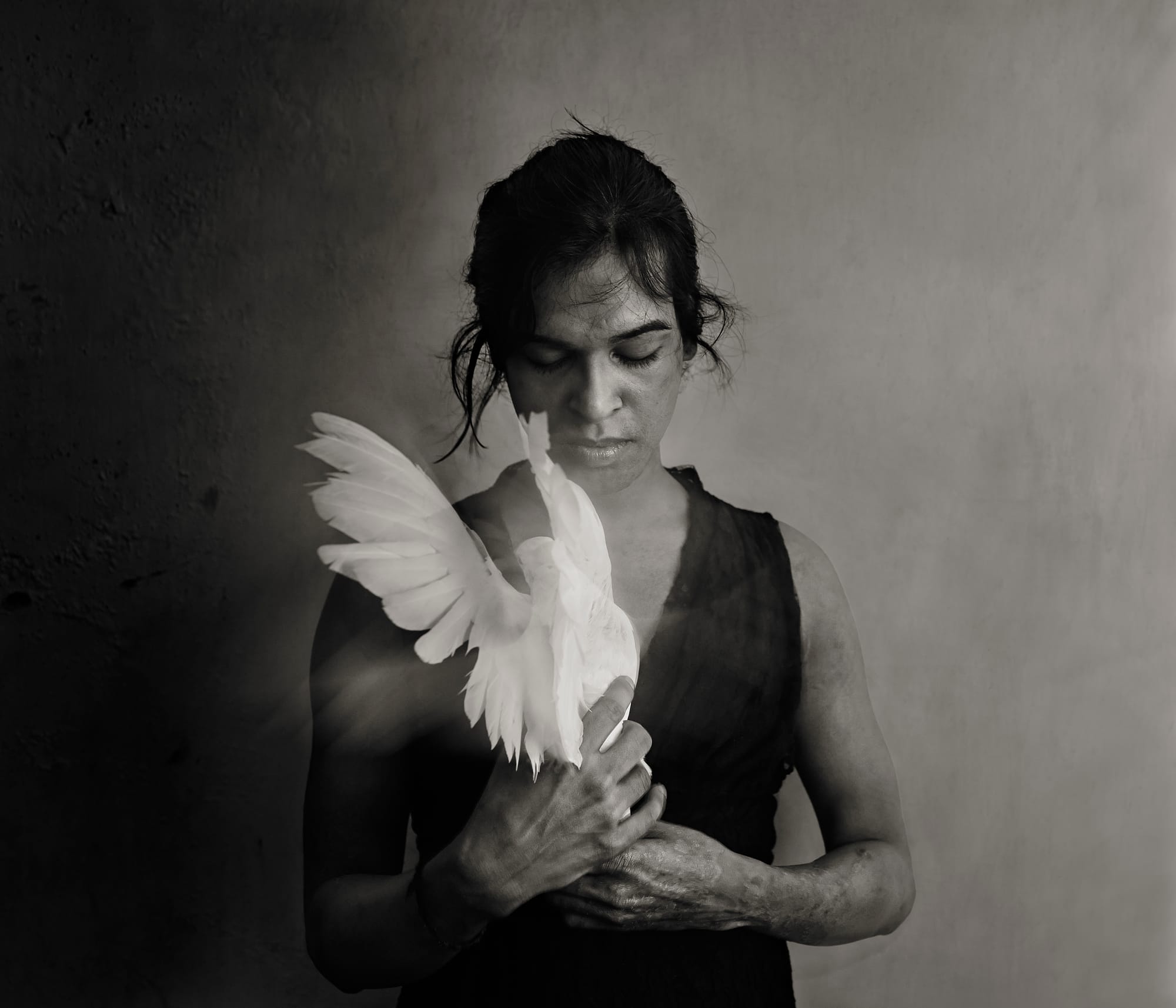
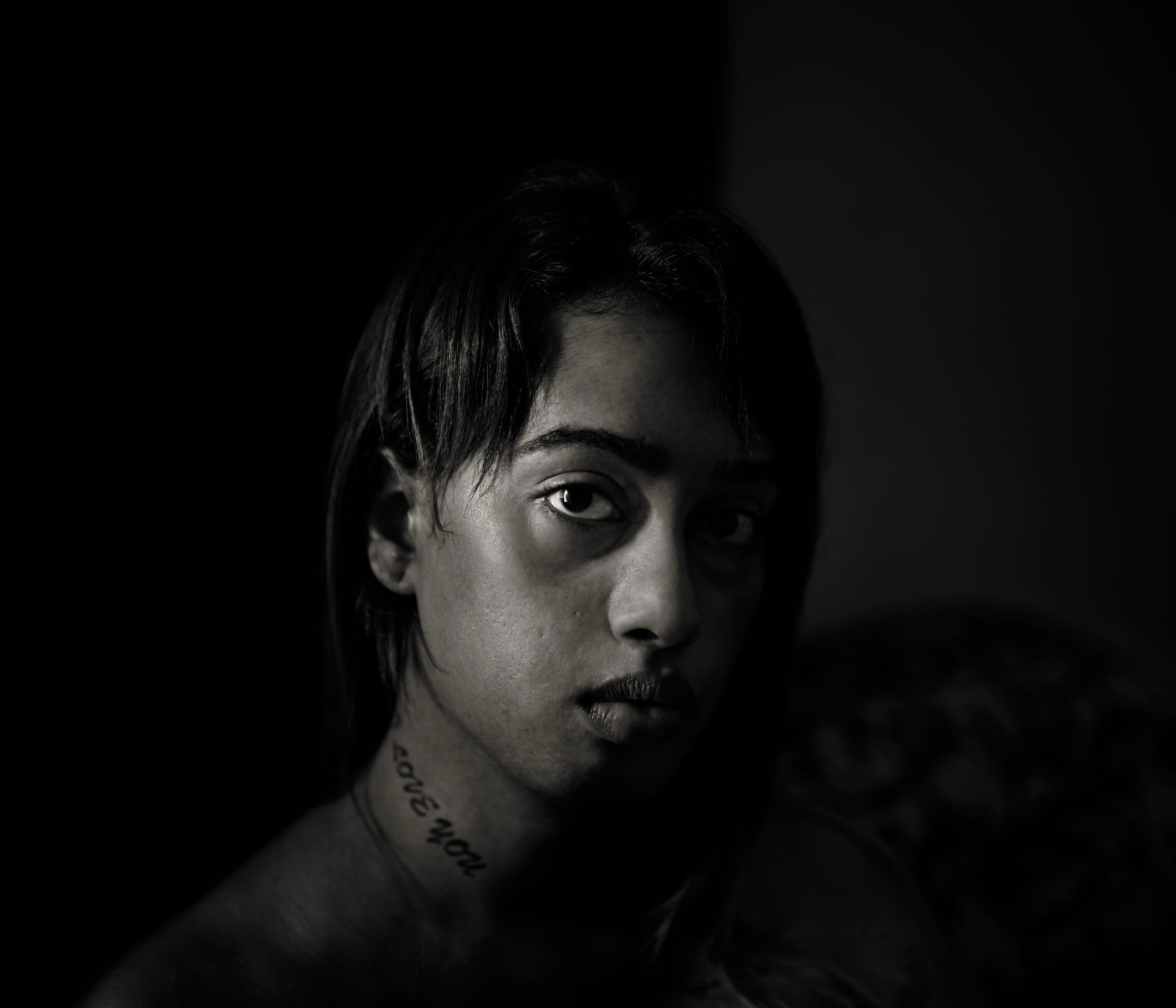
One moment that stayed with me was when Heena spoke about feeling admired from afar but never truly accepted. She once described herself as “a flower made of paper”, something people look at but never come close to — perhaps a layered expression of loneliness and exclusion unique to her.
My relationship with Heena allowed me to move beyond photographing “a community” and instead focus on individual lives and intimate spaces. Many images emerged from moments when the camera felt secondary to the relationship. Heena is no longer simply one individual. For me, “Heena” represents many of the different individuals I have photographed for this project over these twelve years.
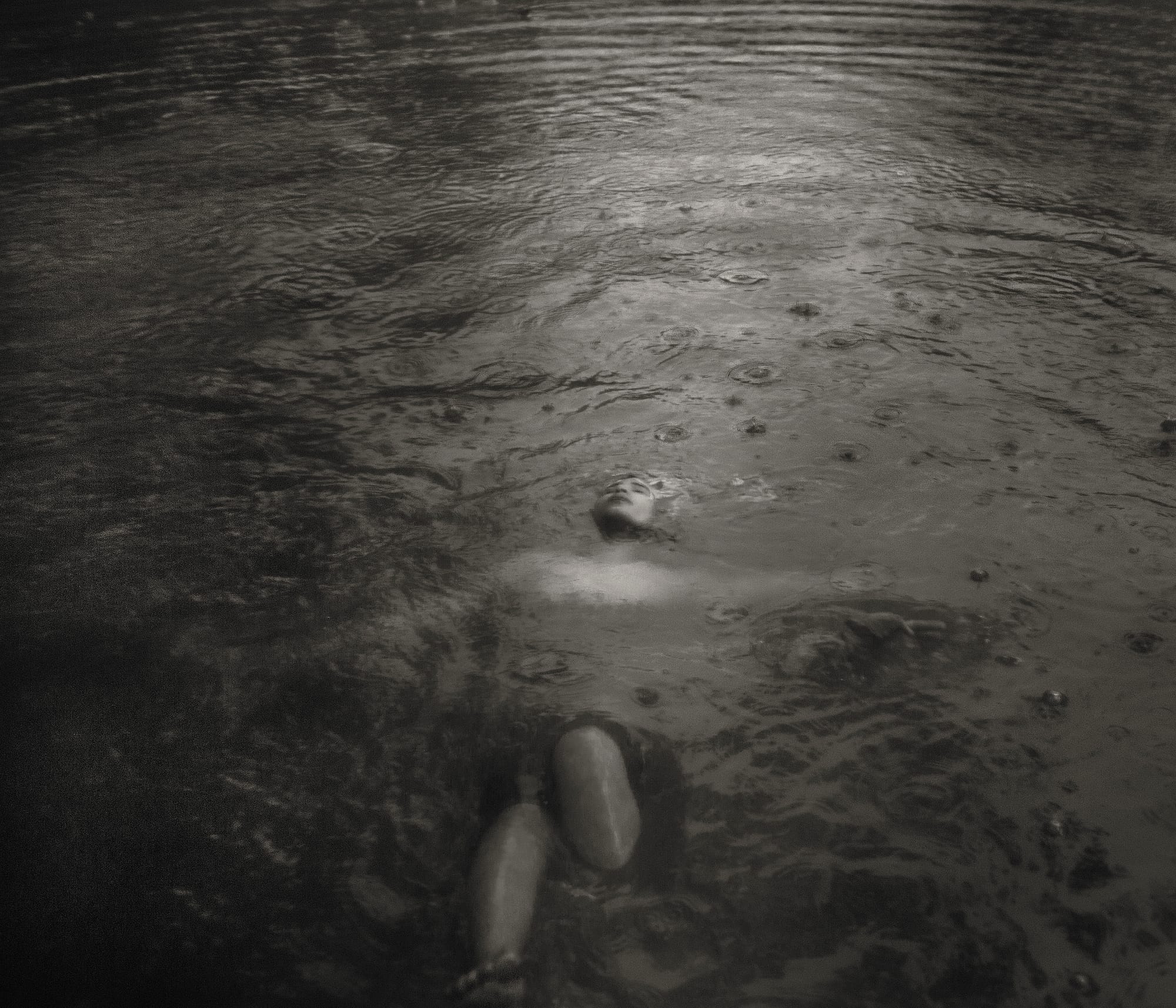
Sense and sensibility
Many members of the Hijra community have experienced being photographed in ways that felt sensational or exploitative. Because of that track record, it was important for me to move slowly and respectfully.
The images are not about dramatic events, rather they are of small gestures and quiet moments. The Hijra community is often portrayed through spectacle or exaggeration, which can distance viewers from their real experiences. From the very beginning, I intentionally crafted the visual language of the project to avoid dramatisation of their suffering or reducing someone to a symbol of hardship.
When there were moments that felt too personal or vulnerable to photograph, such as moments of grief, conflict, or deep emotional pain, the relationship mattered more than the image. Sometimes, the most meaningful encounters happened when the camera stayed in the bag. Those moments still influenced the project, even if they never became photographs.
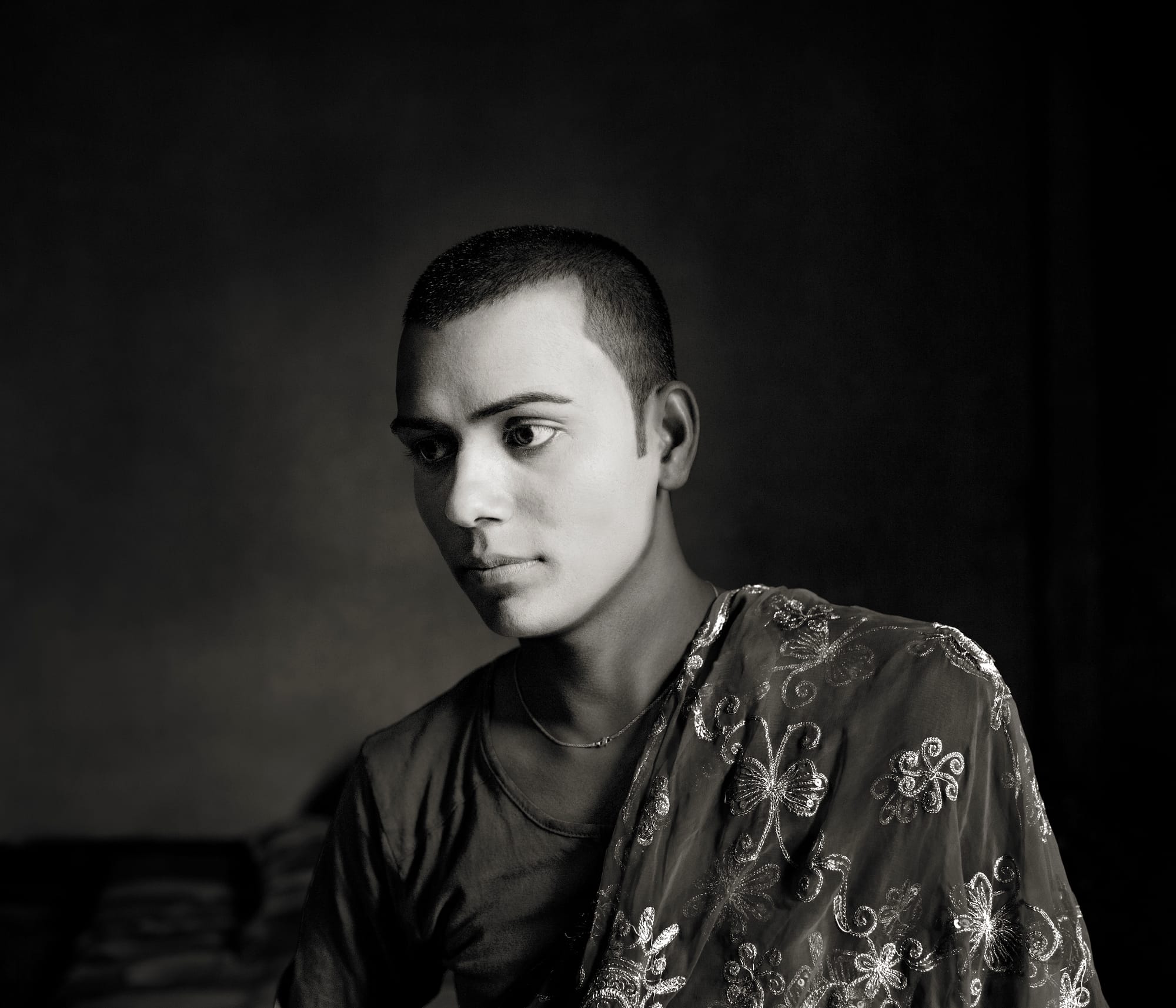
The Hijra community already lives with social stigma and vulnerability, so it is important that the images do not expose them to further harm. I also avoid sharing details that could put individuals at risk. The intention is not to reveal everything but to create space for understanding.
At the same time, the project was not only about hardship. I also witnessed resilience, humour, friendship, and deep forms of care within the community. Those moments of strength and connection helped balance the emotional weight.
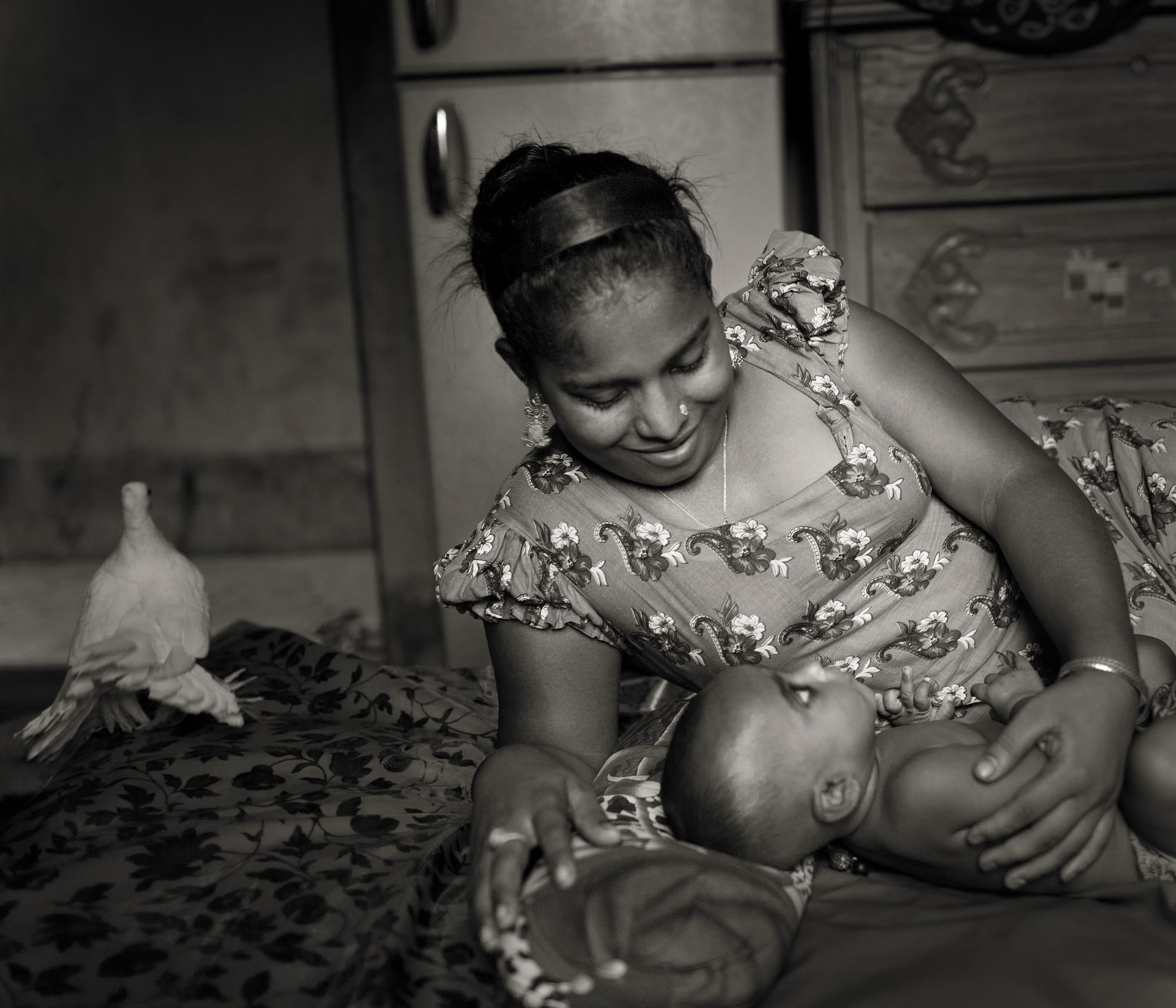
There are certain images in the series that carry very strong personal memories for me. I remember one moment when Heena told me that she wished she could appear in a family portrait with her parents and siblings, a photograph that would hang in her parents’ home like in any other household. In that imagined picture, she said she would be wearing women’s clothes and standing beside her family with pride.
That conversation stayed with me for a long time. It made me realise how deeply the idea of belonging to one’s family persists. So, I decided to visit some of their families and photograph those spaces and relationships. From that experience, the family portrait series gradually became part of the project.
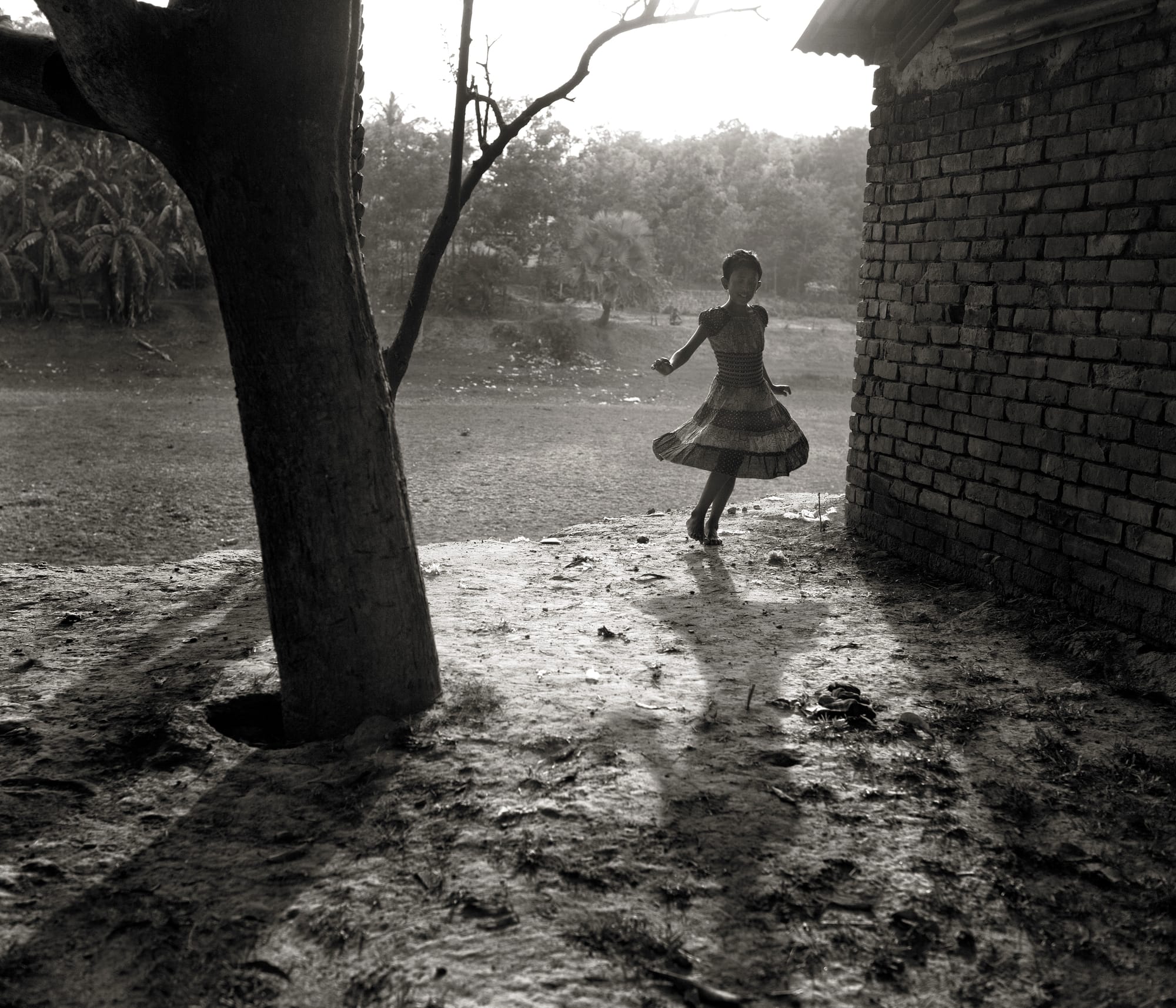
I constantly question my own position within the process. As a photographer, I hold the power of framing and editing, and I am aware that this power must be handled carefully. Many times, they guided how they wished to appear through their clothing, posture, or how they wanted to be seen. Some wanted to be photographed with pride and strength, while others preferred quieter, more intimate moments.
The process became collaborative in subtle ways. Sometimes they would suggest locations or moments, or they would invite me to witness certain rituals or everyday activities — meaning, the images are not only my perspective but also carry their agency.
This project made me deeply reflect on all my identities — a woman, Bangladeshi citizen and an artist — challenging many of the perceptions of Hijra I had inherited from growing up in Bangladesh. It made me question how society defines belonging, femininity, and dignity.
As an artist, the experience also pushed me to think more carefully about responsibility, about how to photograph someone with respect, and how to represent lives that are often misunderstood without reinforcing stereotypes.
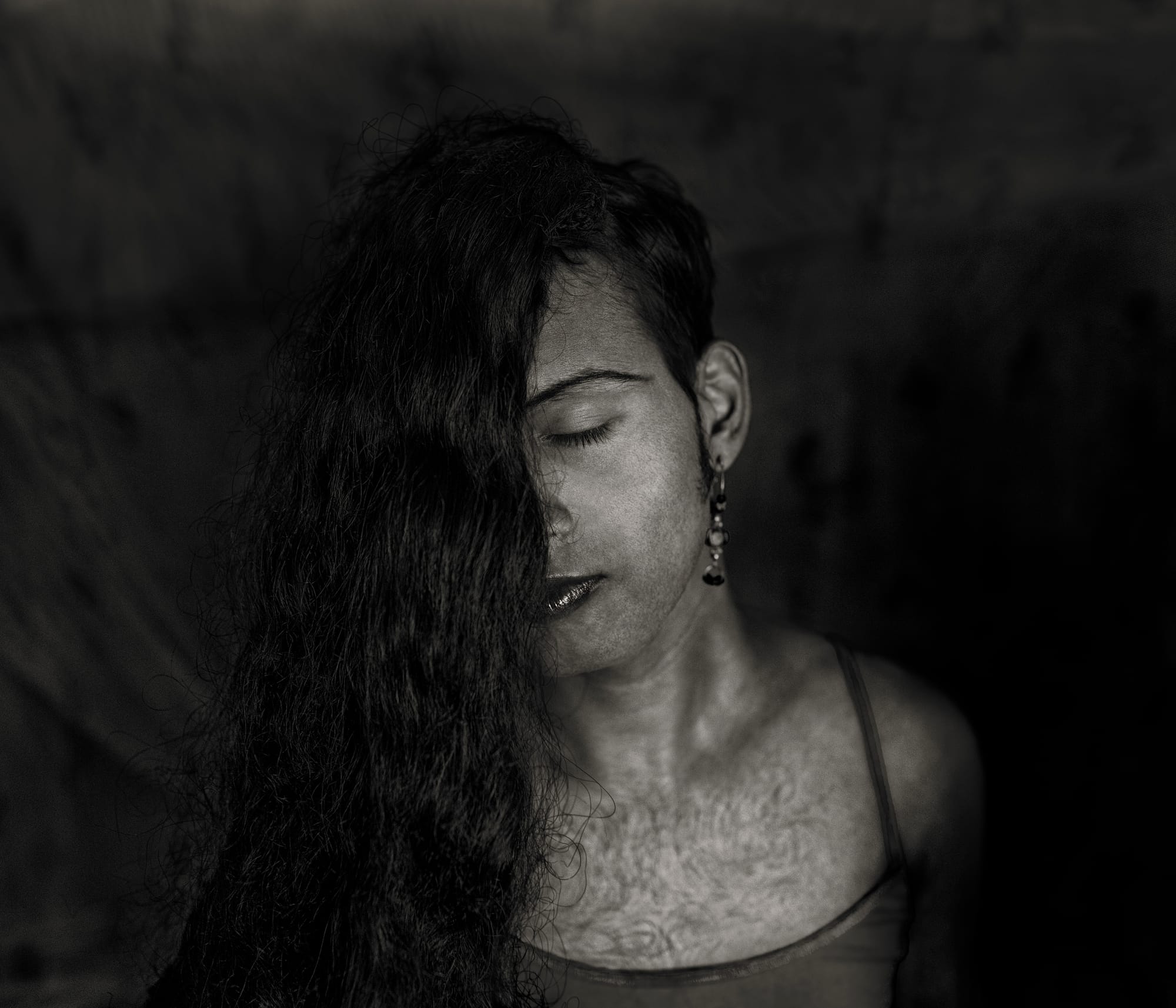
‘The project was never about controversy’
Some people wondered why I chose to dedicate so many years to this subject. But over time, people began to understand the intention, and those questions slowly turned into conversations. For me, the project was never about controversy rather, it was about listening and witnessing lives that are often overlooked. That commitment helped me continue despite occasional resistance.
The official recognition of Hijras as a third gender in Bangladesh (2013) was an important symbolic step. However, from what I observed during my years of working with the community, legal recognition alone does not automatically transform everyday realities.
Many Hijra individuals still struggle to access education, employment, healthcare, and housing without discrimination. Social stigma begins within families, where some individuals are rejected or forced to leave home at a young age. In effect, compelling Hijra individuals to rely on traditional forms of income via ceremonial performances or informal labour.
So, while the 2013 recognition was a start to an important conversation, the deeper social changes needed for inclusion are still unfolding.
I do not approach the project with the intention of making a political statement. Instead, I see it as an act of careful attention to their lived realities, support systems they build and much more. One striking takeaway was how Heena’s strength comes not only from surviving difficult circumstances but also from their chosen families.
For all intents and purposes
I hope for a future where Hijra individuals can live with dignity, safety, and equal opportunities; and that future generations will not have to leave their families or communities. For viewers outside South Asia, the Hijra community may initially appear unfamiliar or distant, but at its core, this project is about universal human experiences, belonging and identity.
In future, I would like to explore other ways of expanding the project, possibly through archival work, exhibitions, or collaborative forms that involve members of the community more directly.
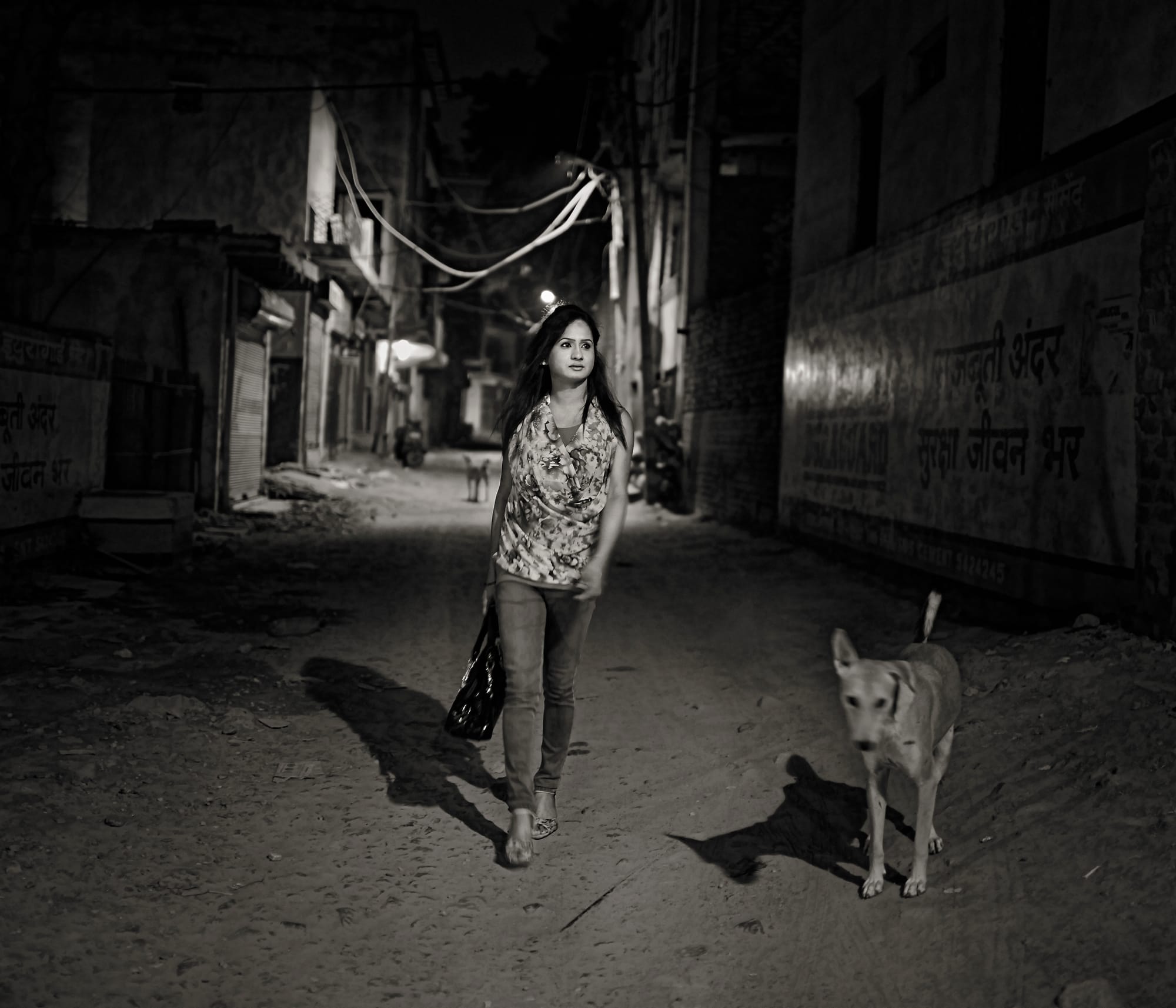
I hope the work encourages people to pause and reconsider the assumptions they carry about gender, identity, and belonging. If the work can encourage people to look beyond stereotypes and approach Hijra individuals with curiosity and respect, then it has achieved something meaningful. If viewers leave with more questions — about how societies decide who belongs and who does not — than answers, that would, to me, be meaningful.●