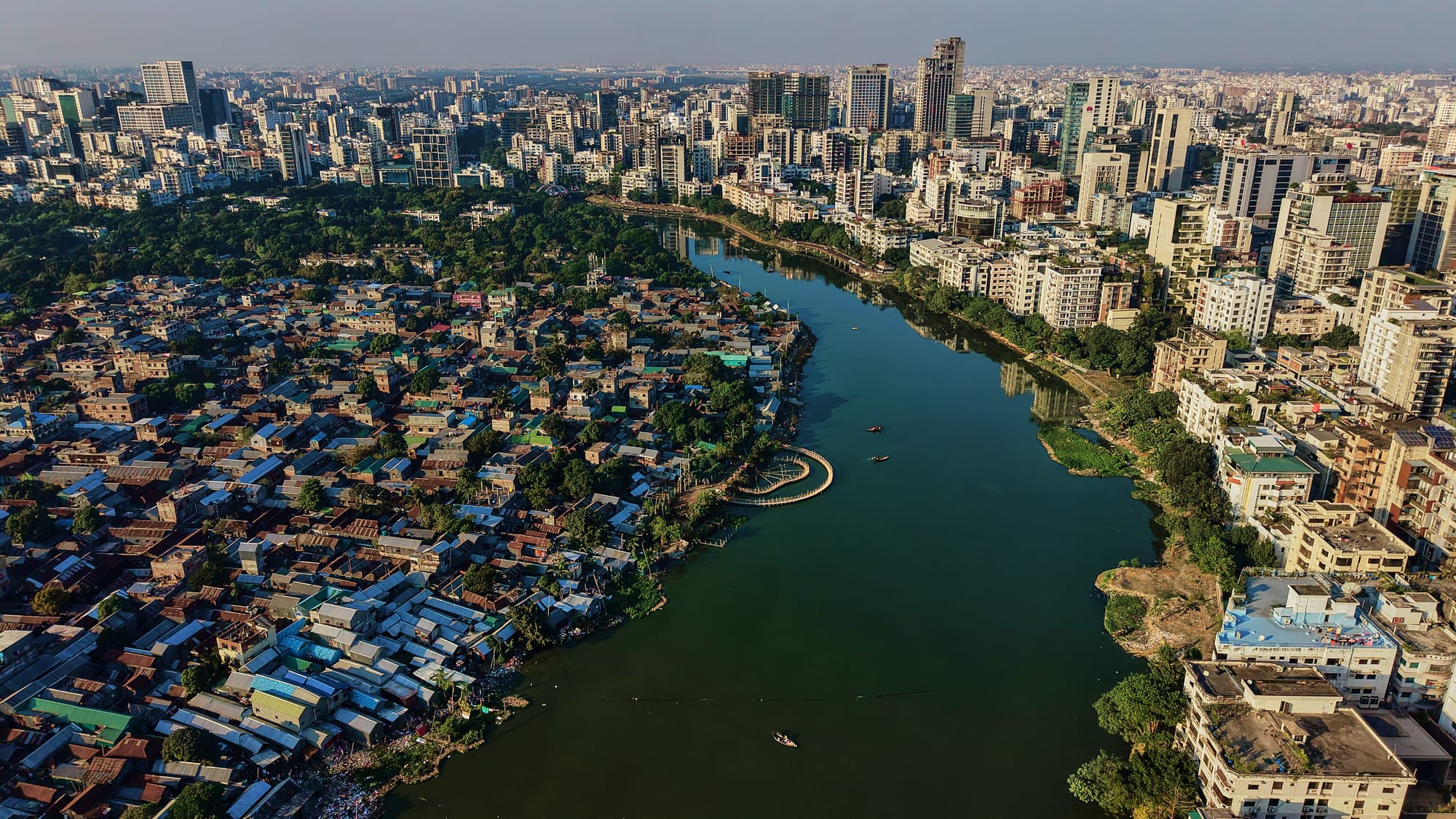
Why Dhaka’s waterways matter more than flyovers
For decades, successive governments have pursued grand solutions — metro rail, flyovers, elevated expressways. Yet experts argue that the answer may already lie beneath our feet: the waterways that once defined this riverine city.
On a weekday morning during Ramadan, I was at the Rampura edge of Hatirjheel.
A small water taxi idles at the jetty, its metal sides worn from constant use. A rush of passengers carefully steps on, some clutching office bags. As the engine sputters to life, the taxi pulls away, gliding past still water that reflects the surrounding concrete. The noise of traffic fades, replaced by the low hum of the motor. A faint breeze cuts through the heat, but it’s the pungent, even musty, smell of the water that clogs the senses.
In about five minutes, the taxi reaches Gulshan Police Plaza. If I were to travel in the opposite direction, it would have cost me approximately the same amount of time. The two-way journey takes about 15 minutes in total, with the water taxis arriving at the jetty every 2-3 minutes
The same journey by road on a weekday morning tells a different story.
Boarding a local bus of the circular bus service — the only company permitted by RAJUK to travel across Hatirjheel — means there is barely room to stand inside with a conductor who always hollers. Horns blare relentlessly. The bus lurches forward, pauses, crawls, and jerks again. The inertia is constant, testing the body’s ability to absorb shocks — telling signs of the capital’s bad road traffic.
The two-way journey takes at least half an hour, not including the long wait to board a bus at each of these two points.
The contrast is striking. What appears to be a convenient shortcut across water is, in fact, a reminder of what the city has lost due to unchecked urban growth, heavy-handed development in recent decades, and, most of all, engineering failures.
Experts say this 400-year-old riverine Dhaka’s natural waterways have been lost and buried under concrete. They argue that re-linking the canals might solve the city’s evergreen road traffic problems. For a capital that used to float on water but now drowns in routine monsoon floods and chokes on some of the world’s worst traffic congestion, experts stress that the solution lies beneath our feet.
‘Not an accident’
Iqbal Habib, urban planner and lead architect of the Hatirjheel project, says that the destruction of waterways in Dhaka was not an accident rather a product of greed and corruption. He recalls a 1996 project to restore Dhanmondi Lake. “Experts suggested restoring a water channel that runs near the border guard headquarters [Pilkhana]. But a shopping center [Shimanto Square] was built on it instead. A mess of structures was then built to engulf this water channel. There was no way to think about how it might be restored again.”
His concerns are squarely planted in urban ecology. The attempt to rescue bits and pieces of the canal is an engineering folly that is doomed to fail. As the water cannot reach the rivers, these fragments of canals become nothing but stagnant wastewater. Habib suggests that the whole system needs to be restored up to the rivers to form an integrated system.
The Panthapath paradox
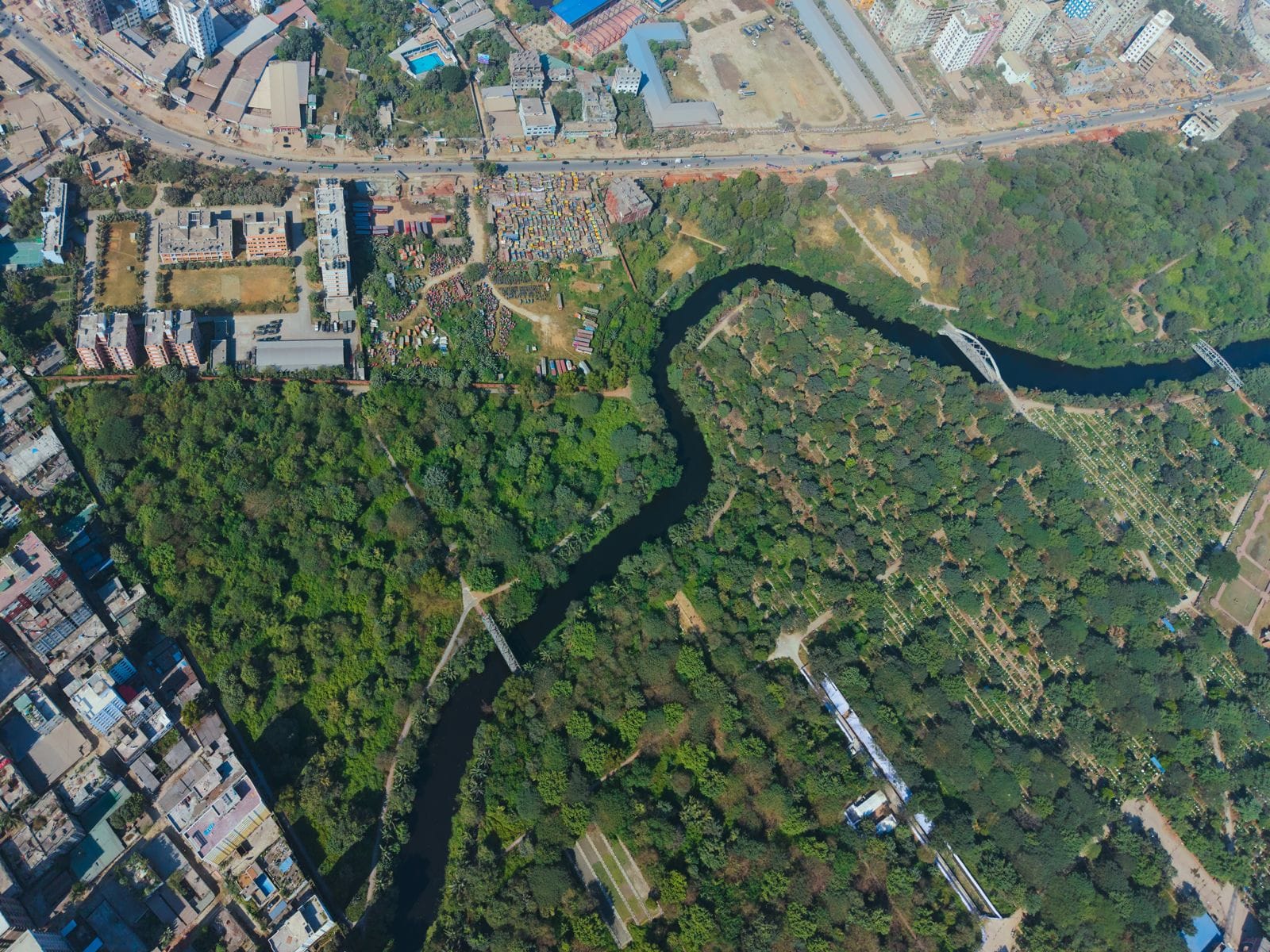
Have you heard about the Begunbari canal? Well, if you have recently passed through Panthapath Road, you have passed over it. Now buried deep beneath concrete, the disappearance of this canal is the most dramatic and disturbing manifestation of changes in the urban landscape.
In the 1980s, rather than preserving the water in the canal, the government decided to install rigid concrete box culverts over it to build the Panthapath road. A study published in Blue Green Systems in 2025 documents the effects of this man-made concrete constraint on the canal, proving that these box culverts are completely unsuitable for natural water flow, causing heavy runoff during the monsoon season.
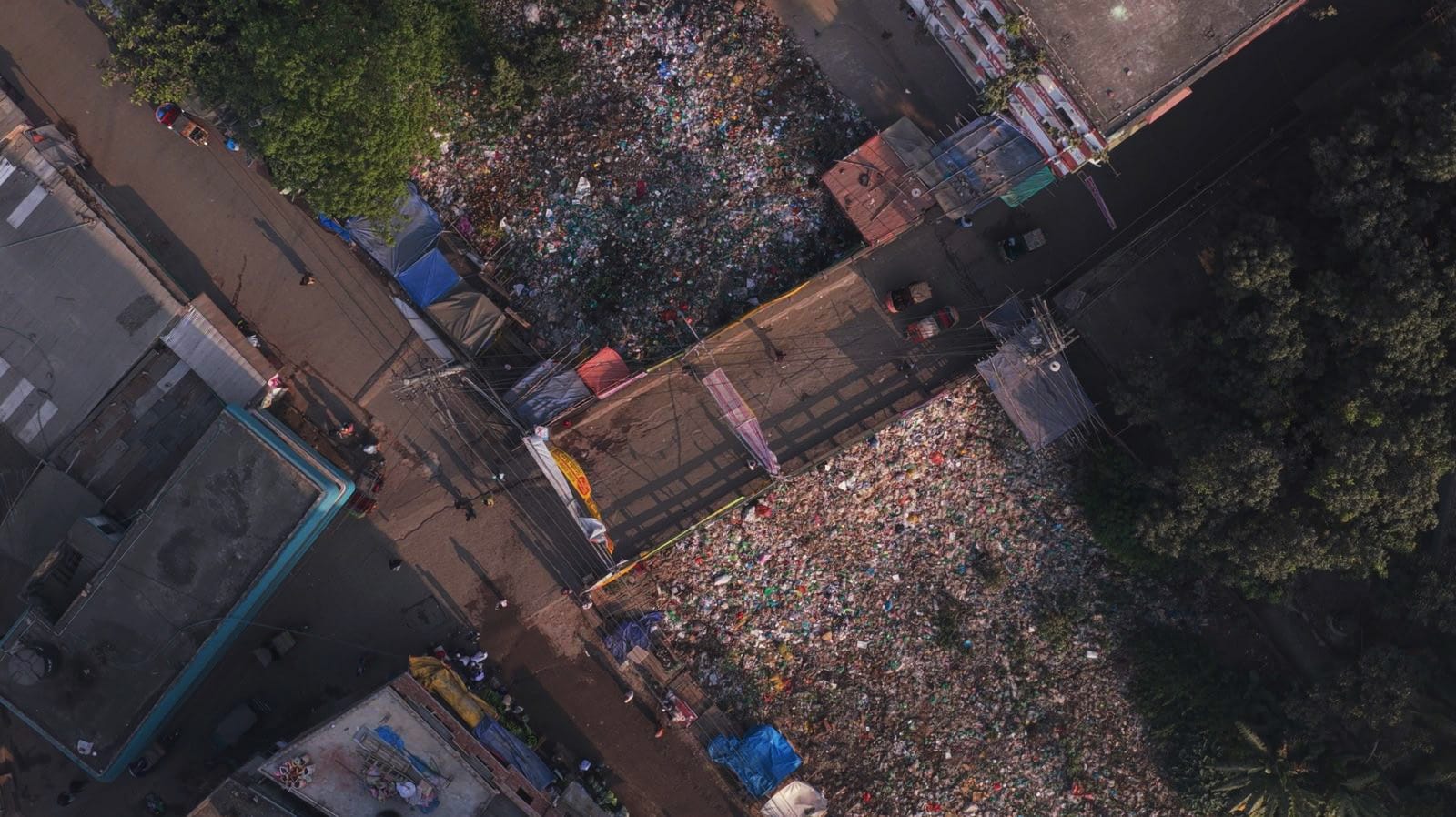
It doesn’t end there. The box culverts trap sediment and waste on a massive scale. In 2021, 74 tons of garbage were removed from one structure alone. More recent statistics show that the city corporation has been removing up to 200,000 tons of sludge from the Hatirjheel and Panthapath areas.
What lies beneath
While recent megaprojects like the metro rail had been proposed and installed to address the traffic crisis, the rehabilitation of the waterways — or the lack thereof — is a painful case of bureaucratic neglect.
In June 2016, the Executive Committee of the National Economic Council (ECNEC) took a historic decision to remove the box culverts and restore the waterways to their original condition. However, after a decade, the process is stalled at zero percent due to the lack of coordination among the state agencies.
“I have not been given any such directives. To open the box culverts, one would have to tear apart the existing infrastructure and plan a new city,” Md Shafiullah Siddique Bhuiyan, the project director of the canal recovery project at the Dhaka South City Corporation, told Netra News on March 10th.
Despite the lack of bureaucratic initiative, a transport expert points to an obvious solution. “Dhaka is at a critical juncture. It needs a network of waterways and roads,” said Dr Md Hadiuzzaman, a transport and communication specialist.
He explained how the city lies within a ring of water, a river that is 110 kilometers in circumference. If it were possible to connect all the waterways within this ring, a 450-kilometer water artery would be available to commuters traveling beyond the metropolitan area. This would, in effect, relieve pressure on congested roads by up to 30 percent.
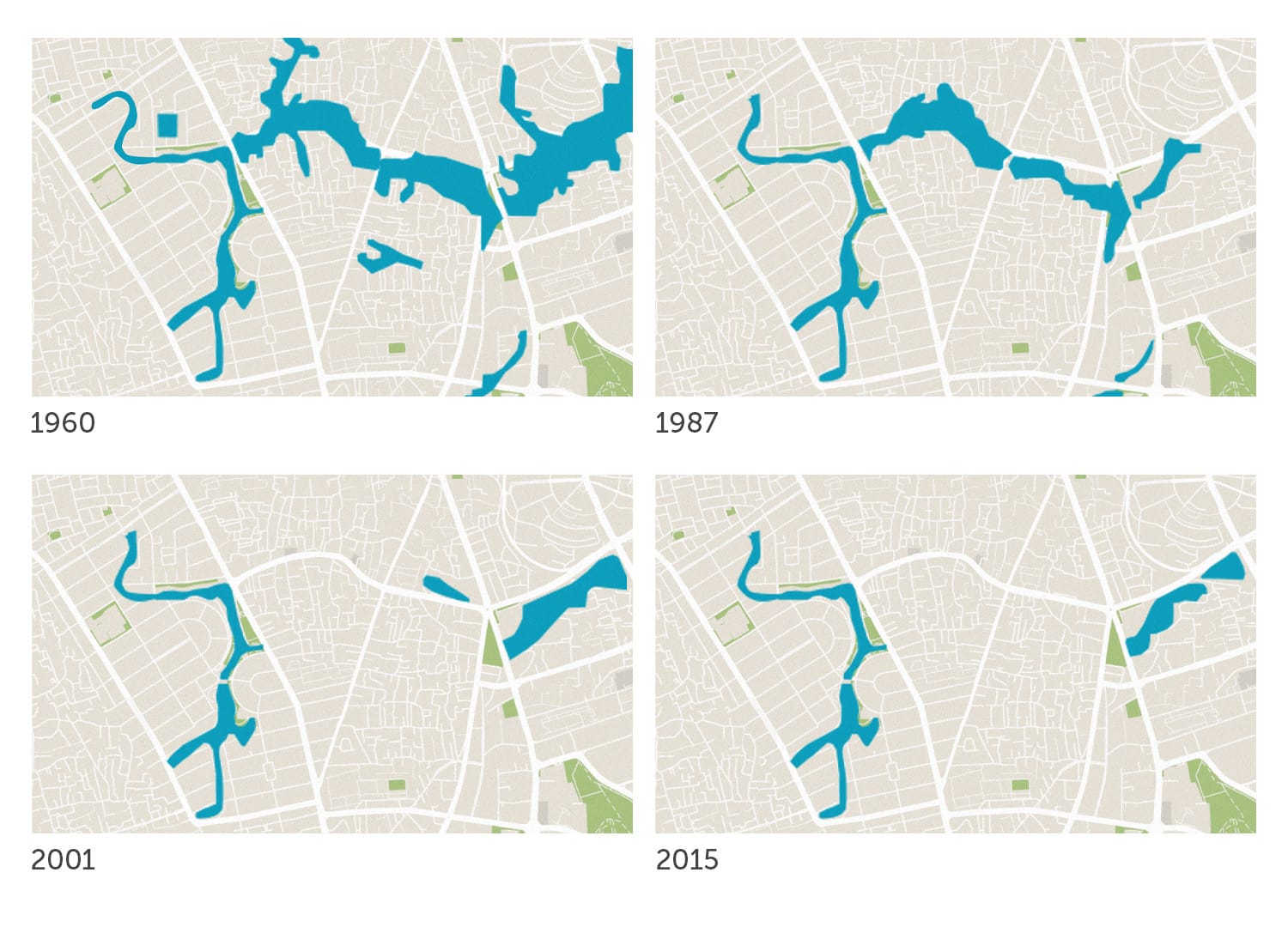
A 2024 study by the Dhaka-based River and Delta Research Center substantiates this theory. It says that if all 14 existing waterways were excavated, 80 percent of the waterlogging in the city would be solved. The waterways are Rupnagar Main Canal, Baunia Canal, Baishteki Canal, Sangbadik Colony Canal, Kalyanpur Canal, Ibrahimpur Canal, Panthapath Box Culvert Canal, Rayerbazar Canal, Jirani Canal, Rampura Canal South End, Dholai Canal, Kadamtali Canal, and Manda Canal.
For routes such as Panthapath, Iqbal Habib suggests restoring the canal, retaining the narrow roads on both sides, and then placing an elevated highway on pillars in the middle. This would allow water to flow underneath while cars drive above.
Now the question is, who can successfully reclaim Dhaka’s lost waterways? For millions of people passing through this concrete jungle daily, their commute is a life sentence that a newly-elected government could finally overturn.●