Red soil
The recent attacks on mazars and darbar sharifs in Bangladesh highlight a systematic narrowing of public space, a policing of cultural expression, and the rise of Islamist extremism, reflecting a nation forgetting the longstanding cultural and religious influence of Sufism in the region.
Every month, Mashruk Ahmed will curate an instalment of a photo-story series that questions established power discourse, featuring photographers who explore gaps, absences, and silences in Bangladesh’s socio-political records.
In this seventh edition, we feature photographer Adib Chowdhury, whose project “Lal-Mati” (Red Soil) retraces the journey of 14th-century Sufi saint Hazrat Shah Jalal to explore the intersections of myth, memory, and identity in Bangladesh. Drawing on his background in political science and his diasporic upbringing in the United Kingdom, Chowdhury approaches the story not as a fixed historical account but as a living narrative. Working primarily with medium-format film, he weaves symbolism and folklore into a visual story on belonging, nationhood, and the fragile syncretic traditions in Bangladesh that are currently under threat. Through Lal-Mati, Chowdhury offers a counter-narrative to rising hyper-nationalism, using photography as an act of cultural testimony to preserve spaces and stories that remain central to the country’s pluralistic heritage. You can find the sixth edition, “Living Under Militarisation”, here.
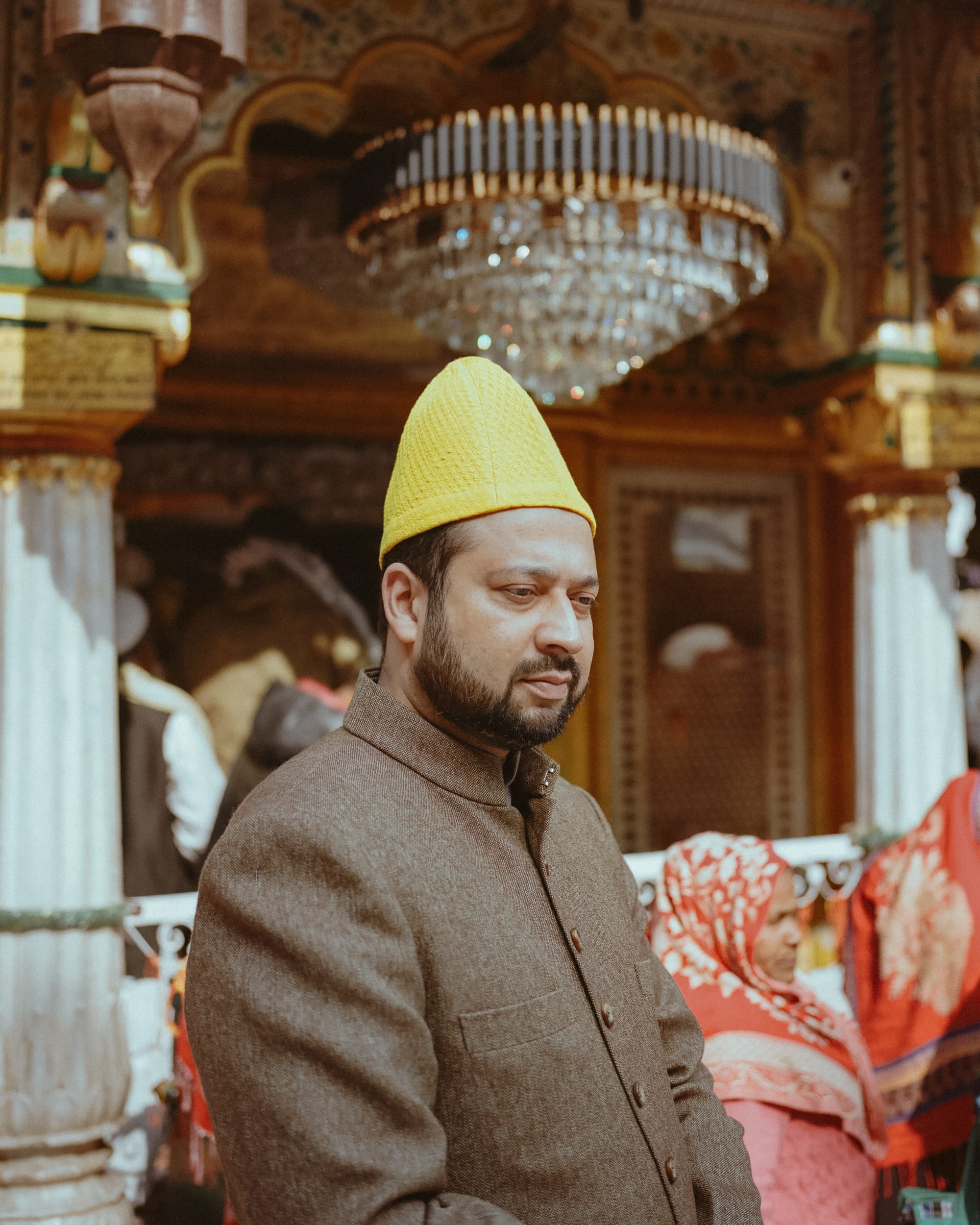
I have been going to Hazrat Shah Jalal’s mazar since I was a child. Born to Bangladeshi parents in the United Kingdom, my frequent visits to my ancestral hometown, Sylhet, and love of stories helped me connect to the country — in fact, reaffirmed the connection. Folklore and stories such as that of Shah Jalal’s, and the rich oral storytelling tradition of Bengal, mean that you can feel connected to the place without having ever visited. And so, my visits led me to feel like I was photographing very familiar ground.
At the same time, I am fascinated by the “myth of nation-state”— the idea of a perfect match between a single nation (cultural group) and a single state (political entity) is largely an illusion, a powerful but often false narrative used to legitimise rule. My academic background in political science lends itself in helping to deconstruct the complexities of nation-states.
Nations contain folklore and hand-picked stories bound together to form an imagined fictional narrative so as to create a community that can rally behind a flag. The great political scientist and historian Benedict Anderson precisely wrote about this when he said, “communities (nations) are to be distinguished, not by their falsity or genuineness, but in the style in which they are imagined.”
All this together propelled me toward creating this project of mine.
The project
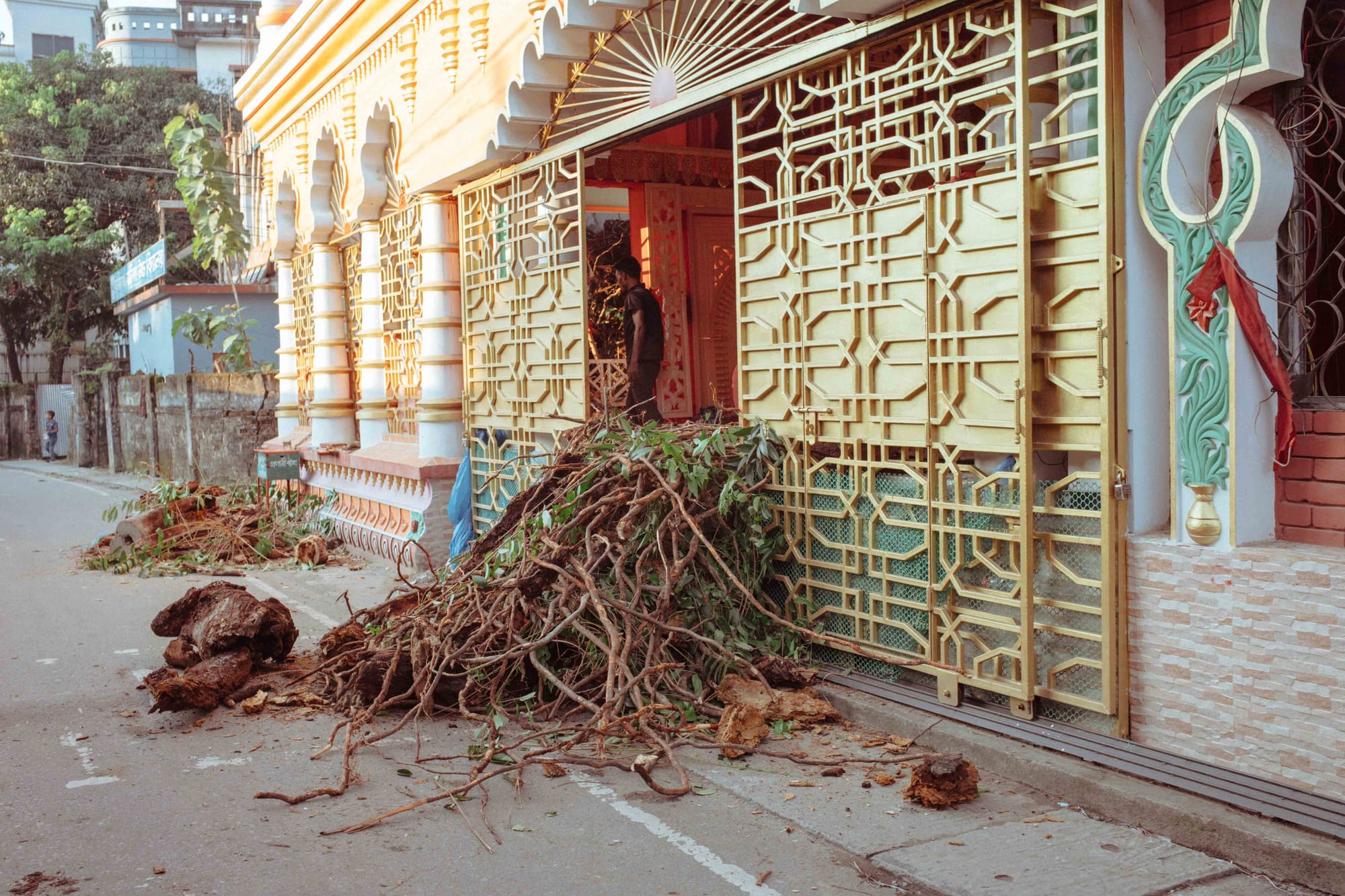
I named the project “Lal Mati,” which means “red soil, or ground,” because within the story of Shah Jalal, his uncle has a prophecy that Shah Jalal is to travel eastward from Makkah until he finds that the colour of the soil beneath his feet matches that of the red soil the uncle gave him, and there he should settle and spread Islam. Sylhet, where Shah Jalal eventually settled, has red soil due to the high levels of iron oxide in its soil.
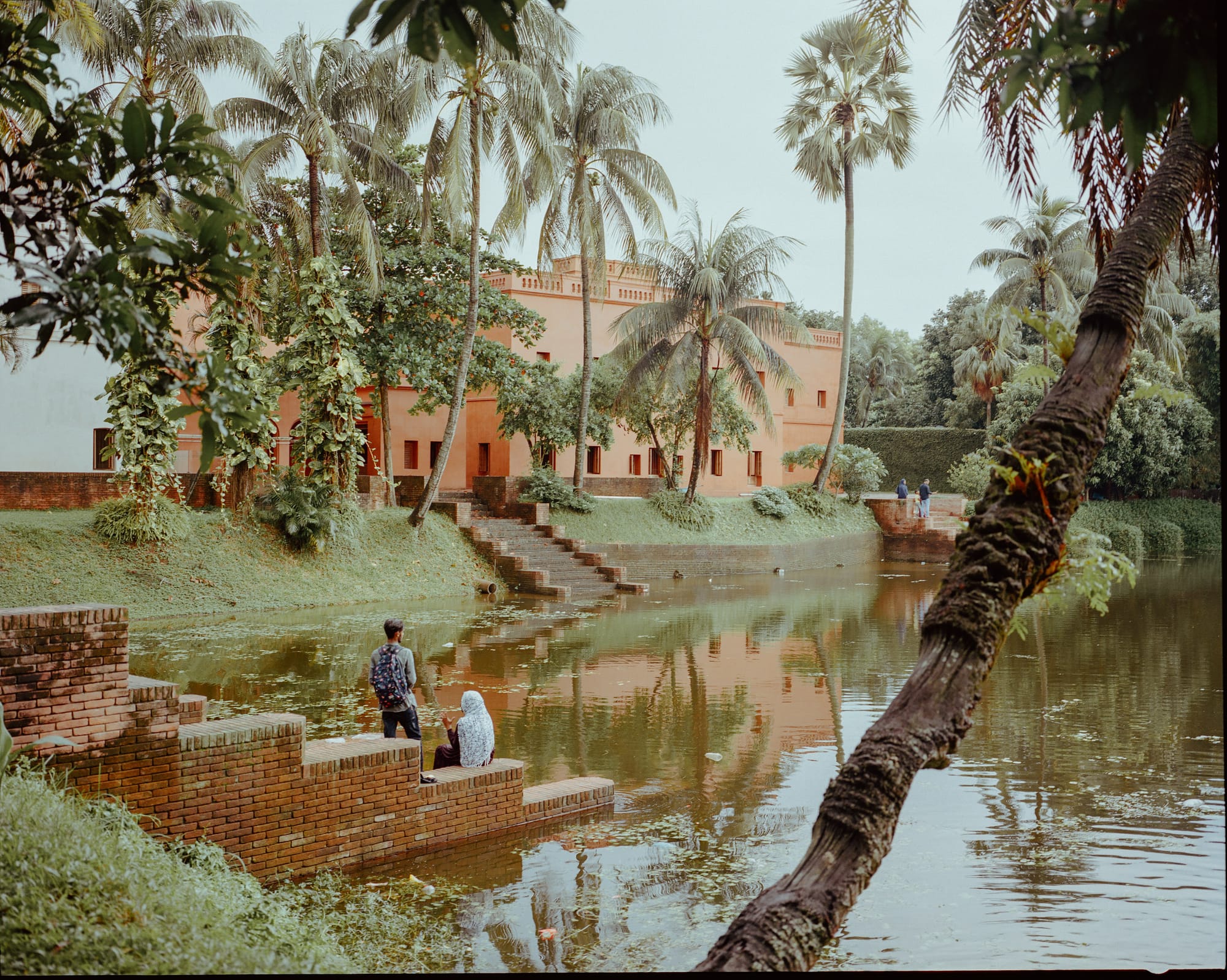
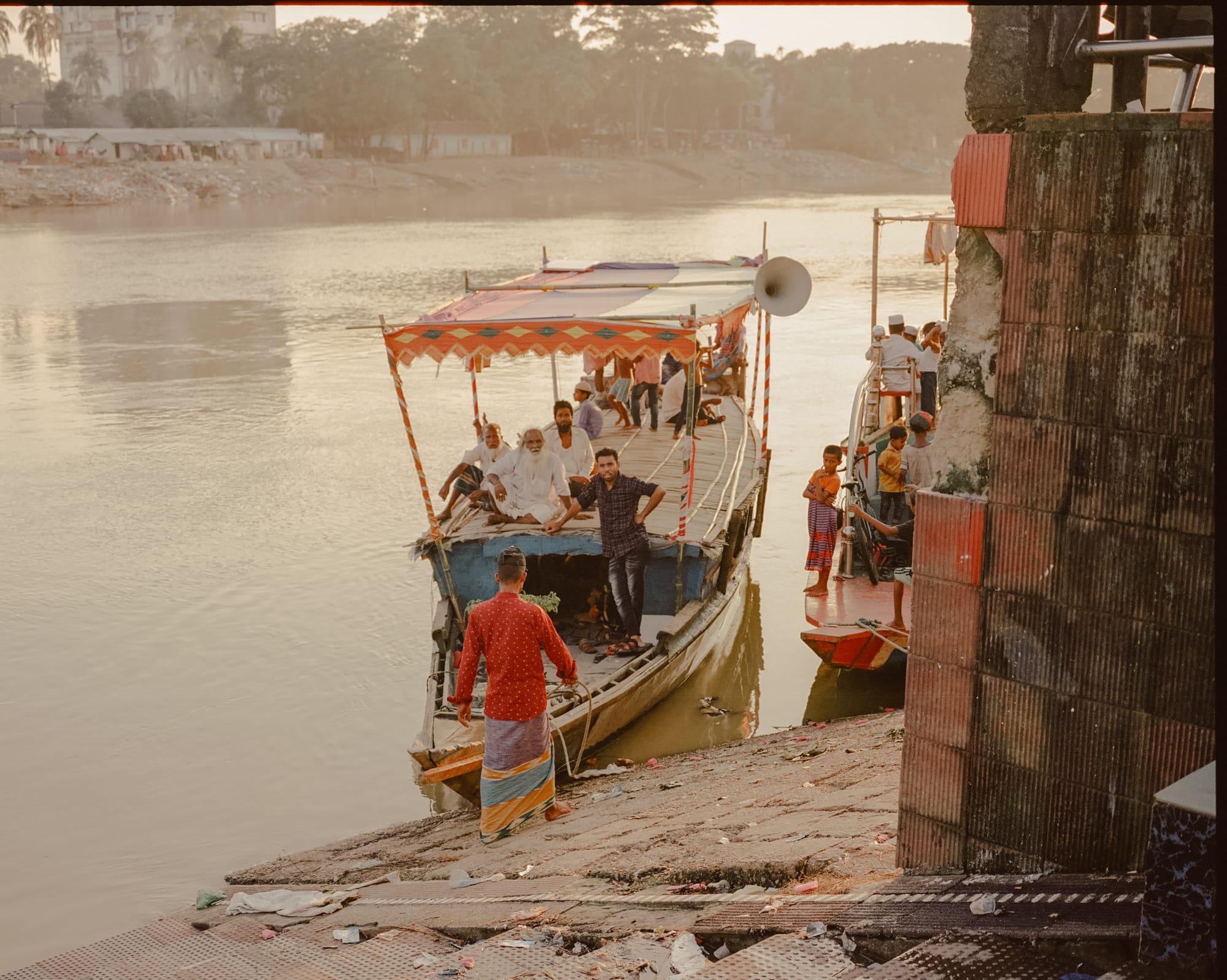
Photographs: Adib Chowdhury
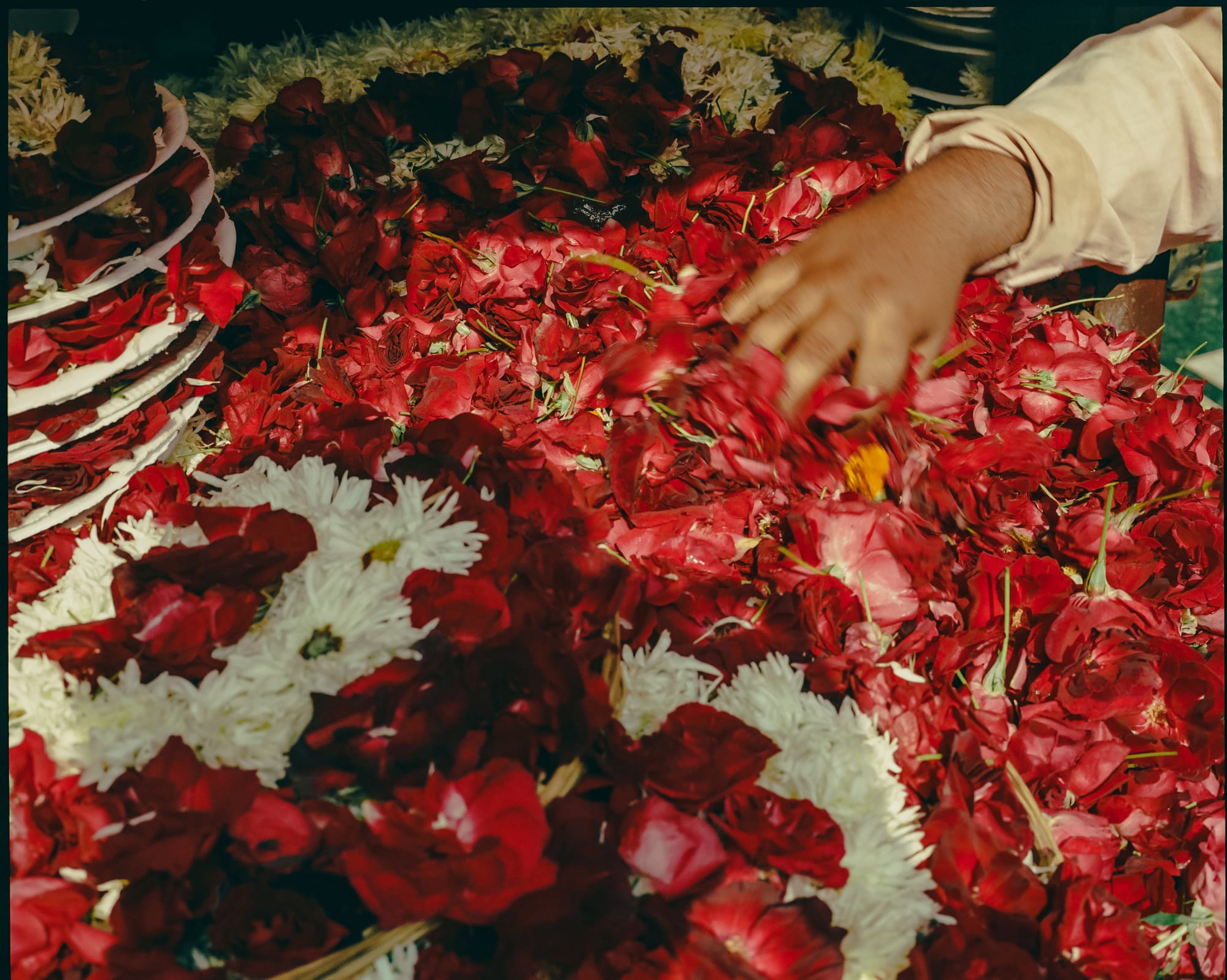
I knew immediately, when I first conjured up the idea of the project, that I wanted to shoot the majority of the work in medium format film. I thought the pastel tones and texture of film would add to the poetic landscapes that Bangladesh offers so readily. I also knew it would have to have a warm tone throughout the series to match the importance and symbolism of Sylhet’s red soil.
I have utilised symbolism from Shah Jalal’s story and woven it throughout the photo series, for instance, the relevance of the ravens and cows. I thought there were signs of Shah Jalal everywhere in Bangladesh, especially in Sylhet. There are roads, schools, and airports named after him, but these are too obvious. I found it more interesting to look for visual clues, and so I purposefully selected imagery (such as rivers and boats) that were frequent in the Sufi saint’s story and went out to find them.
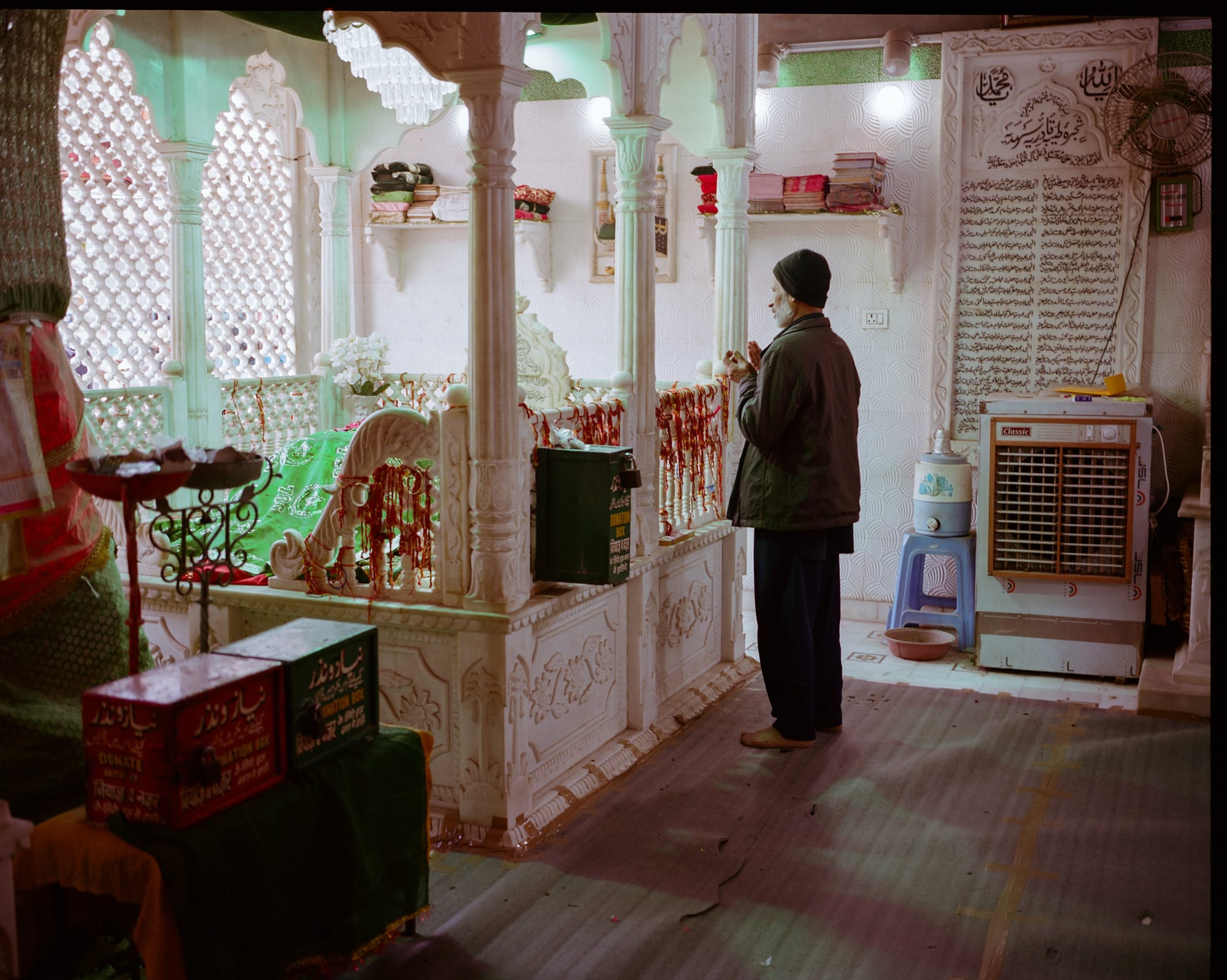
In my projects, I spend as much time as I can with the communities I am photographing — meaning I spend more time with the people I photograph than actually photographing them.
I would love to get this project published as a book soon, which was in the works until recently due to some personal matters. I have loved photographing my first fictional work that is not as constrained as photojournalism, and intend to explore similar themes in ongoing work. While the project follows the chronology of Shah Jalal’s story, I am open to changing and building the narrative thematically too.
This project encapsulates the meandering path of pursuing one's destiny. The story, although historical, explores universal themes of loss of innocence, the expectations of young adulthood, and “manifest destiny” — the latter of which has connotations to today's tense, increasingly nationalistic political climate in both Bangladesh and India.
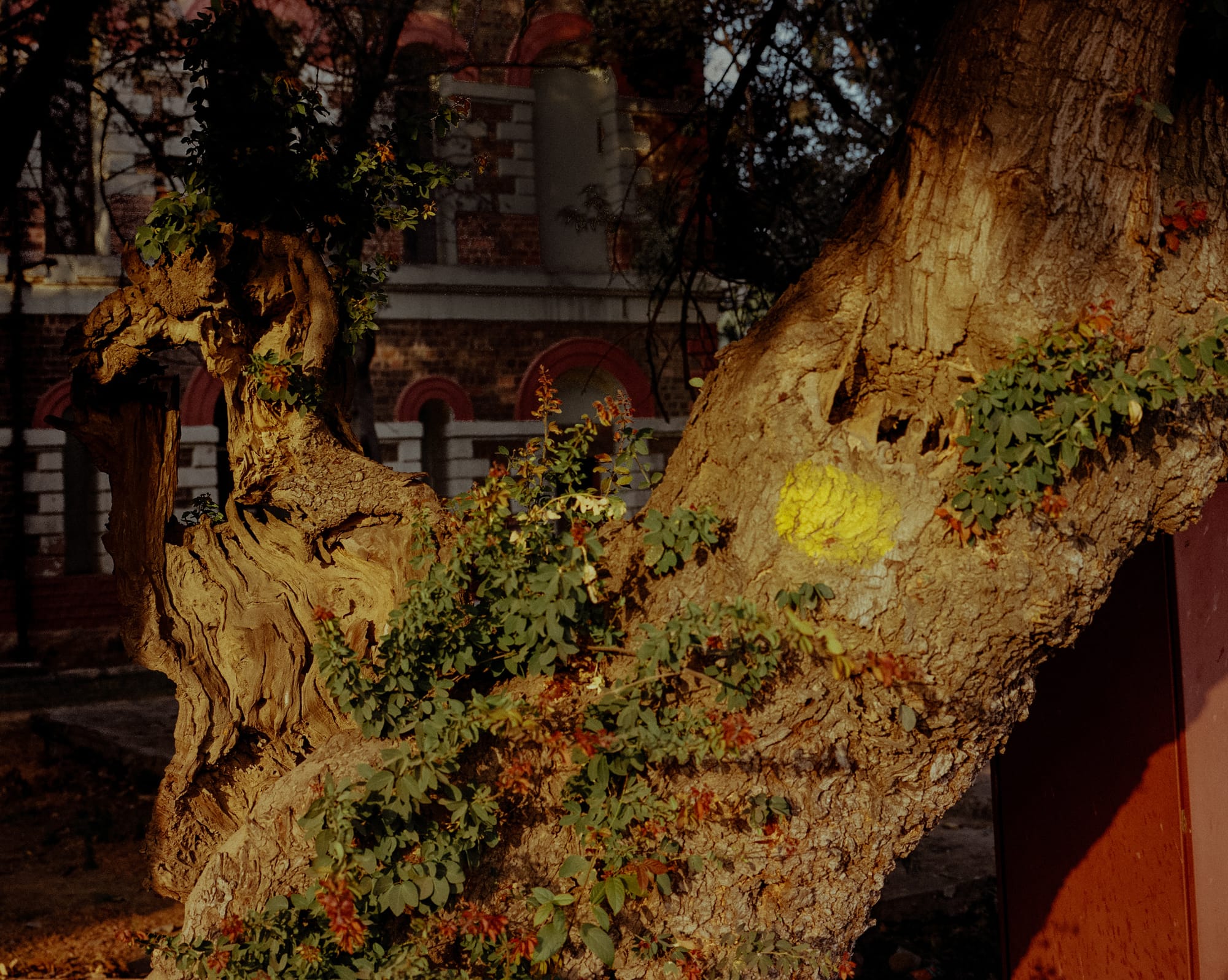
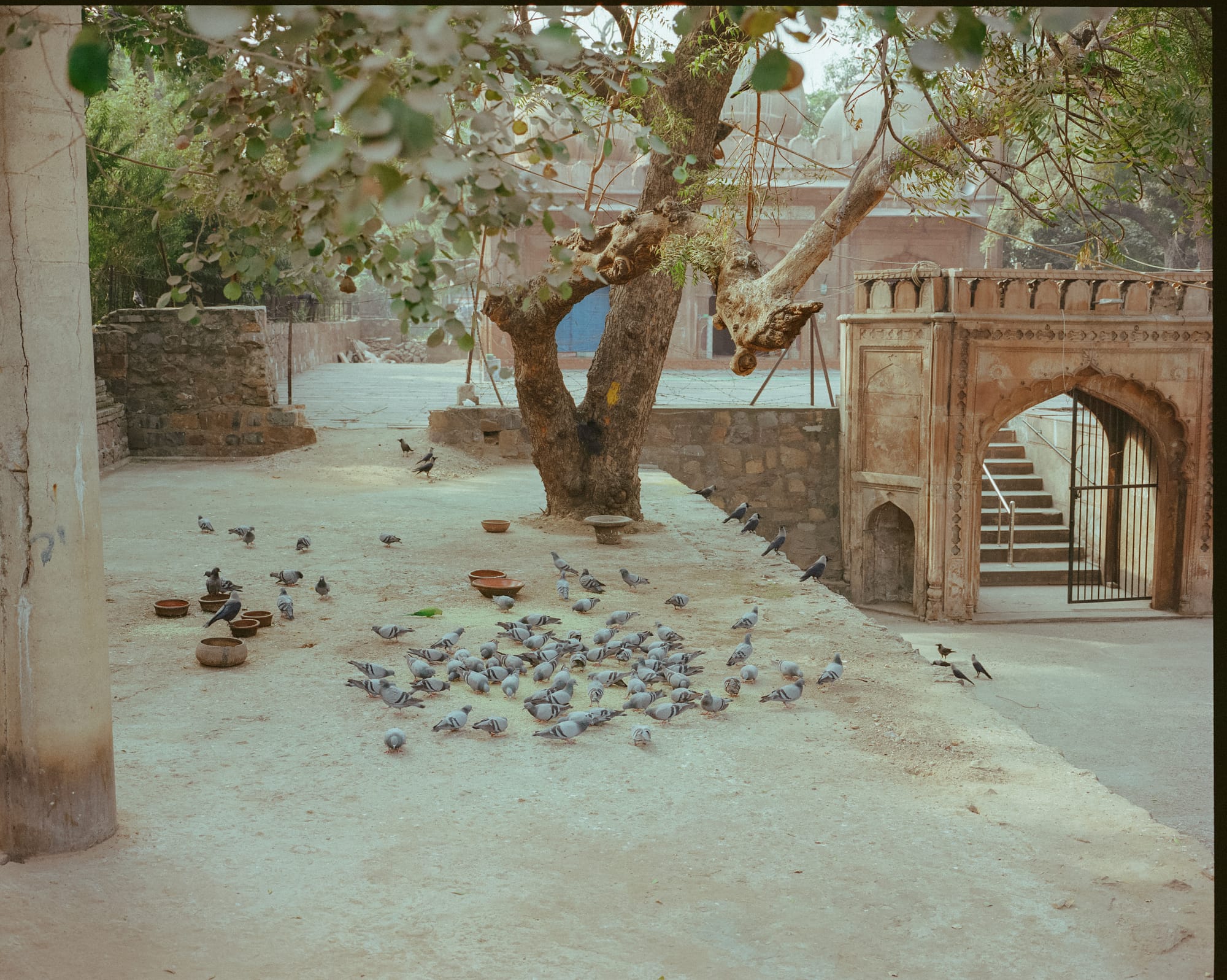
Shah Jalal in today’s Bangladesh
I want the “Lal Mati” project to serve as a counter-narrative to this hyper nationalism we have been witnessing in Bangladesh, and especially India. I think it is an incredible shame. Personally, I am against any ideology which opposes tolerance of others, and, at the same time, I am deeply allergic to nationalism.
Shah Jalal’s story and journey are about self growth, which saw him traverse multiple countries and regions through rivers and roads, irrespective of modern geopolitics. It is timeless and remains very much relevant today, juxtaposed amidst modern scenes of two rapidly rising countries, India and Bangladesh — each in pursuit of their own respective destinies.
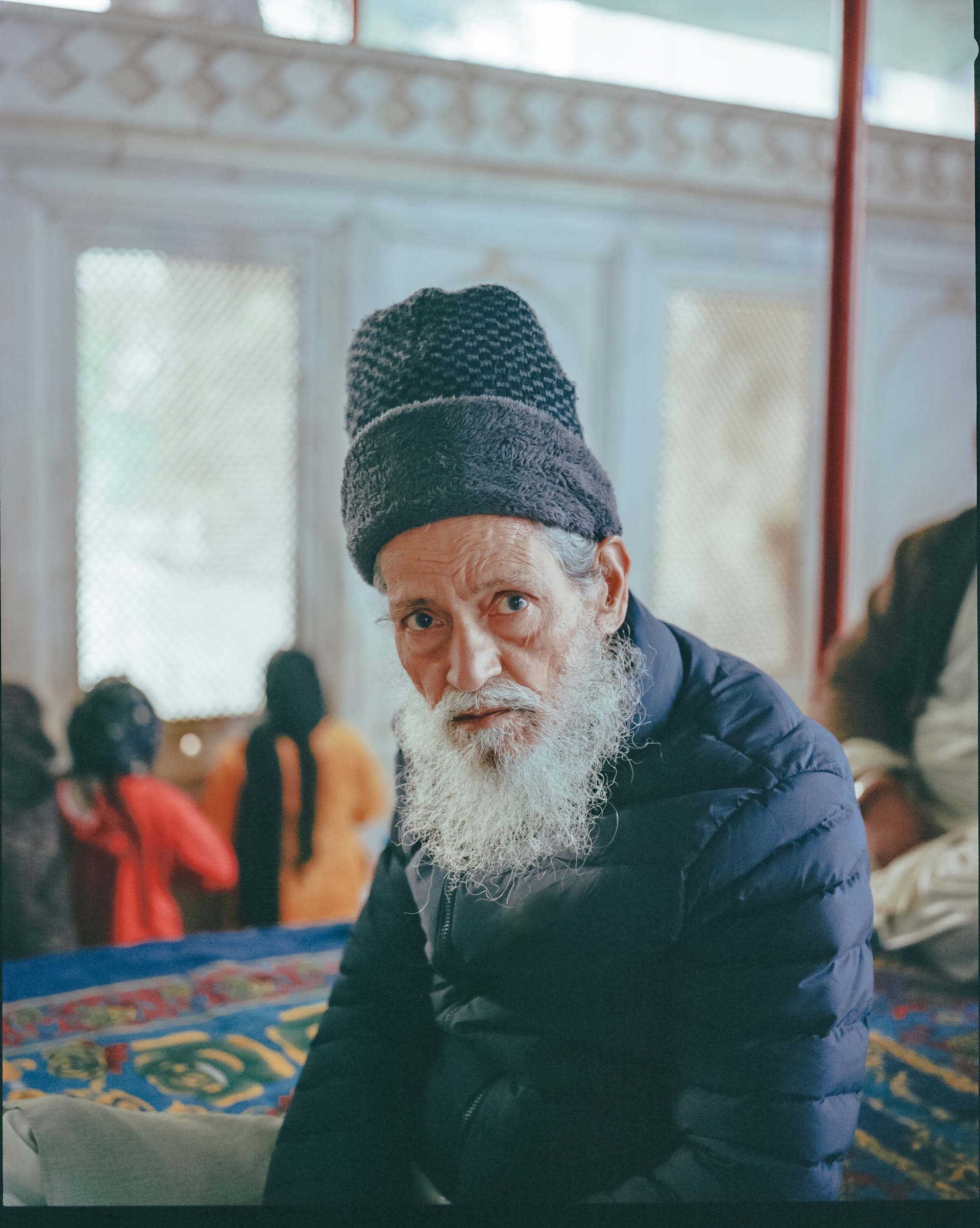
I think recent events have highlighted just how important it is to keep hold of these old stories and folklore rather than give in to people who would rather view things as black and white. And to that end, photography has long been used as a method of resistance, arguably by preserving the memory of spaces that are physically under threat.●